
Top 6 Herbal Teas for Better Sleep and Mood
✅ 1. Chamomile Tea
🌙 Why is it used for sleep?
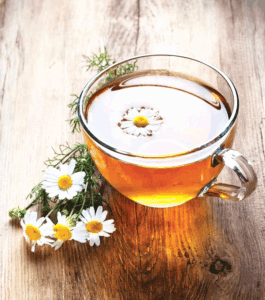
Chamomile is one of the oldest medicinal herbs used in traditional healing. It contains a powerful antioxidant called “apigenin” that binds to specific receptors in the brain, promoting relaxation and better sleep.
🔬 What does the research say?
A 2015 study published in the Journal of Advanced Nursing found that postpartum women who drank chamomile tea for two weeks reported significantly improved sleep quality and reduced symptoms of depression.
☕ How to prepare it:
- 1 tablespoon of dried chamomile flowers
- Pour hot water and let steep for 5–7 minutes
- Drink 30 minutes before bedtime
Chamomile tea has a gentle flavor and a calming aroma that soothes your senses from the first sip. Try adding a bit of raw honey to enhance its calming effect.
✅ 2. Lavender Tea
🌺 Psychological benefits:
Lavender is well-known for its ability to calm the nervous system and reduce stress. Its aroma alone can stimulate the brain to release feel-good chemicals like serotonin and dopamine.
🧪 Key study:
A study from Kagoshima University in Japan showed that inhaling lavender aroma while drinking the tea reduced blood pressure and heart rate, indicating a deep relaxation response.
💡 Note:
Avoid overuse during pregnancy, and reserve it for your nighttime routine.
Drinking lavender tea before bed is a full sensory experience. The soothing taste and therapeutic fragrance create the perfect mood for restful sleep.
✅ 3. Lemon Balm Tea
🍋 What is it?
Lemon balm (Melissa officinalis) is part of the mint family, with a refreshing hint of citrus in its taste.
🔍 Backed by science:
A 2011 study in the Mediterranean Journal of Nutrition and Metabolism found that lemon balm extract helps reduce mild insomnia and social anxiety.
⚠️ Safety:
Generally safe in moderate amounts. It may also help uplift your mood during periods of high stress.
Lemon balm has been used in folk medicine for centuries—not just for sleep but also to support mental clarity and nervous system health. Ideal for a relaxing evening drink.
✅ 4. Passionflower Tea
🌼 What is it?
Passionflower contains flavonoids and alkaloids that act as natural sedatives by calming brain activity.
📊 Clinical trial:
A 2011 randomized controlled trial showed that participants who drank passionflower tea for one week experienced deeper sleep and fewer disturbing dreams compared to a placebo group.
🕰 When to drink?
30–45 minutes before sleep for optimal results.
Passionflower tea is a top choice for those dealing with recurring insomnia or nighttime anxiety. It offers a mild taste and is easy to incorporate into your nightly ritual.
✅ 5. Peppermint Tea
😌 Why peppermint?
Peppermint not only aids digestion but also helps relax muscles and relieve tension headaches caused by stress.
🧠 Mental impact:
Menthol, the key compound in peppermint, is thought to activate GABA receptors in the brain—the same ones targeted by anti-anxiety medications.
Often enjoyed after meals, peppermint tea also works well as an evening drink to ease the body and calm the mind.
✅ 6. Ashwagandha Root Tea
💪 More than a sedative:
Ashwagandha is used in Ayurvedic medicine as an “adaptogen,” meaning it helps the body adapt to stress and lowers cortisol levels naturally.
🔬 Scientific evidence:
A study in the Indian Journal of Psychological Medicine found that taking Ashwagandha for 60 days led to a 44% reduction in stress levels.
Ashwagandha tea has a warm, earthy flavor and is best consumed in the evening to quiet the mind and support uninterrupted sleep.
📝 Tips Before Using Herbal Teas:
- Avoid mixing more than two herbs in one cup.
- Consult a doctor if you’re on medication or have chronic health conditions.
- Always use organic, trusted herbal sources.
- Make herbal tea part of a consistent bedtime routine.
Harmony between nature and your body begins with a warm, mindful cup of herbal tea. Take time for yourself, and feel the difference.
🔚 Final Thoughts:
If you’re looking for natural alternatives to improve sleep and mood without relying on pharmaceuticals, these six herbal teas offer safe, effective, and research-backed solutions. Choose the ones that resonate most with your needs—and start your journey toward deeper rest and emotional balance.





2 Comments
[…] you enjoyed this guide, don’t miss our previous article:👉 Top 6 Herbal Teas for Better Sleep and Mood – Backed by ScienceDiscover how specific herbal infusions like chamomile, lavender, and lemon balm can naturally […]
[…] Our article on the best teas for better sleep […]