
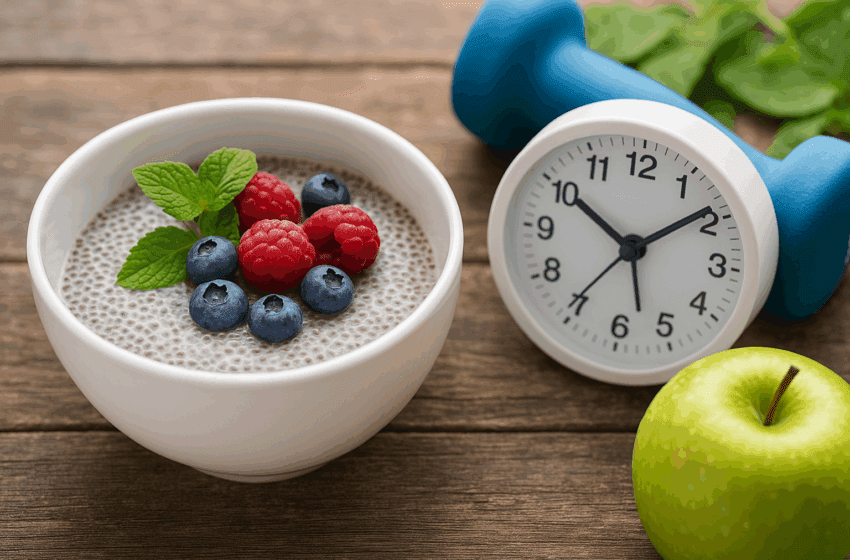
Intermittent Fasting for Beginners
Intermittent fasting for beginners is more than just a dieting trend—it’s a scientifically backed lifestyle approach that can help you lose weight, improve your metabolic health, and simplify your eating habits. Whether you’re looking to shed pounds, reduce inflammation, or boost energy, this guide will walk you through everything you need to know about intermittent fasting (IF).
This approach has gained popularity among health experts and influencers for its simplicity and effectiveness. It eliminates the need for complicated meal plans or calorie counting, making it an appealing option for beginners. You can learn more about the science behind fasting from the National Institutes of Health (NIH).
🔍 What is Intermittent Fasting?


There are several different fasting methods, but all share one goal: to tap into your body’s natural fat-burning and repair mechanisms. Intermittent fasting for beginners usually starts with simple daily schedules like the 16/8 method. This method has been featured in research from institutions like the University of Alabama.
✅ Health Benefits of Intermittent Fasting
- Supports healthy weight loss and fat burning
- Lowers blood sugar and insulin levels
- Reduces inflammation in the body
- Improves heart health and cholesterol levels
- Enhances brain function and cellular repair
Many studies have shown that intermittent fasting for beginners can help reduce the risk of type 2 diabetes, improve memory, and even support longevity. For an in-depth overview of benefits, visit this Harvard Health article.
⏱️ Popular Fasting Methods for Beginners
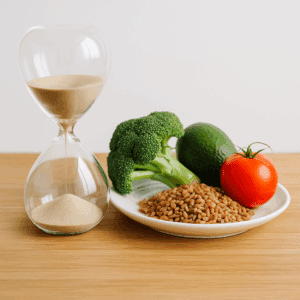

You fast for 16 hours and eat during an 8-hour window. For example, you might eat from 12 PM to 8 PM and fast the rest of the day. This is the most popular method of intermittent fasting for beginners because it fits most lifestyles. It’s sustainable, flexible, and works well with most work or family schedules.
2. 14/10 Method
Similar to the 16/8, but with a 10-hour eating window—great for easing into fasting. Many beginners start with this method before transitioning to more advanced schedules.
3. 5:2 Diet
Eat normally for 5 days a week and reduce calorie intake (around 500-600 kcal) on the other 2 days. This method allows more flexibility and has shown promising results in clinical studies.
4. Eat-Stop-Eat
This method involves fasting for a full 24 hours once or twice a week. It’s more advanced and not recommended as the first step in intermittent fasting for beginners, but many see great results when implemented carefully.
🍽️ What to Eat During Eating Windows
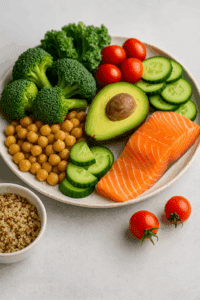

- Lean proteins (chicken, fish, legumes)
- Healthy fats (avocados, olive oil, nuts)
- Complex carbs (quinoa, sweet potatoes, oats)
- Plenty of vegetables and fiber-rich fruits
Stay hydrated and avoid processed foods, sugary drinks, and excessive snacking—even during your eating window. For guidance on optimal nutrition, consult the Academy of Nutrition and Dietetics.
💧 Can You Drink During Fasting?
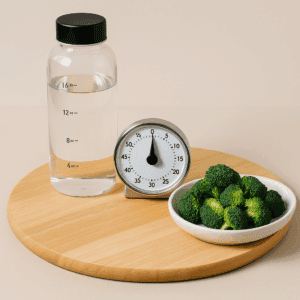
Hydration plays a crucial role in supporting metabolic function and energy levels while fasting.
⚠️ Common Mistakes to Avoid
- Overeating during eating windows
- Not drinking enough water
- Skipping nutrients and healthy fats
- Starting too aggressively with long fasts
- Not getting enough sleep or rest
Intermittent fasting for beginners should be gradual and sustainable. Track how your body responds and adjust your plan accordingly. Avoid the urge to jump into extreme patterns too quickly—it’s better to build consistency first.
📅 Sample Beginner’s Schedule

- 8:00 AM – Black coffee or tea
- 12:00 PM – First meal (protein + veggies + whole grain)
- 4:00 PM – Snack (nuts + fruit)
- 7:30 PM – Light dinner (soup + salad)
- 8:00 PM – Start fasting
Consistency is key. Try to follow the same schedule daily for better results. Adjust meal timing and content based on how your body feels.
🧠 How Fasting Affects Your Body
When fasting, insulin levels drop, which promotes fat burning. Human growth hormone increases, aiding muscle gain and repair. Cellular repair processes like autophagy are triggered, helping your body remove damaged cells.
This is why intermittent fasting for beginners is associated with anti-aging and improved cognitive function. Learn more from this scientific study on fasting and cellular health.
🏃♂️ Exercise and Intermittent Fasting
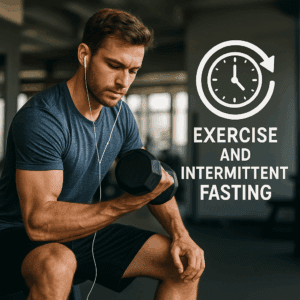
Exercising in a fasted state may increase fat burning, but listen to your energy levels. Start light and build gradually.
❓Is Intermittent Fasting Safe for Everyone?
While many benefit from fasting, it’s not for everyone. Pregnant women, individuals with eating disorders, or those with chronic conditions should consult a doctor first. Intermittent fasting for beginners is generally safe, but always listen to your body.
Always seek professional guidance if you have pre-existing health conditions or take medication regularly.
✅ Final Thoughts
Intermittent fasting for beginners is a flexible and powerful tool for improving health and managing weight. Start simple, stay consistent, and focus on whole foods and hydration.
As with any lifestyle change, success comes from patience, balance, and self-awareness. Once you adapt, intermittent fasting can become a natural and enjoyable part of your daily rhythm.
Looking for more beginner-friendly health guides? Don’t miss our post on Home Remedies for Headaches: 10+ Natural Ways to Find Relief.