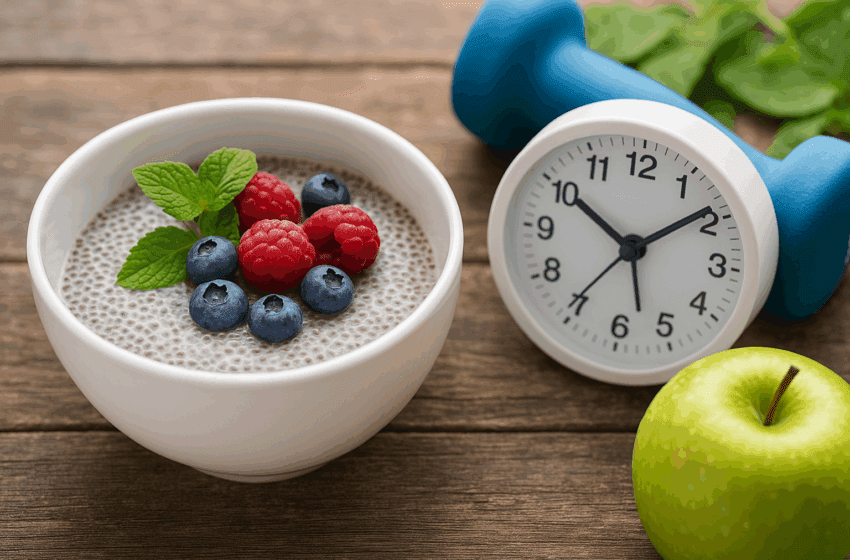
Intermittent Fasting for Beginners: The Ultimate Guide to Getting Started

Intermittent Fasting for Beginners

Intermittent fasting for beginners is more than just a dieting trend—it’s a scientifically backed lifestyle approach that can help you lose weight, improve your metabolic health, and simplify your eating habits. Whether you’re looking to shed pounds, reduce inflammation, or boost energy, this guide will walk you through everything you need to know about intermittent fasting (IF).

This approach has gained popularity among health experts and influencers for its simplicity and effectiveness. It eliminates the need for complicated meal plans or calorie counting, making it an appealing option for beginners. You can learn more about the science behind fasting from the National Institutes of Health (NIH).

🔍 What is Intermittent Fasting?

Intermittent fasting is not about what you eat, but when you eat. It involves cycling between periods of eating and fasting. Unlike traditional diets that focus on calorie restriction, IF is about time-restricted eating patterns that give your body time to rest and reset.

There are several different fasting methods, but all share one goal: to tap into your body’s natural fat-burning and repair mechanisms. Intermittent fasting for beginners usually starts with simple daily schedules like the 16/8 method. This method has been featured in research from institutions like the University of Alabama.

✅ Health Benefits of Intermittent Fasting

  • Supports healthy weight loss and fat burning
  • Lowers blood sugar and insulin levels
  • Reduces inflammation in the body
  • Improves heart health and cholesterol levels
  • Enhances brain function and cellular repair

Many studies have shown that intermittent fasting for beginners can help reduce the risk of type 2 diabetes, improve memory, and even support longevity. For an in-depth overview of benefits, visit this Harvard Health article.

⏱️ Popular Fasting Methods for Beginners

1. 16/8 Method

You fast for 16 hours and eat during an 8-hour window. For example, you might eat from 12 PM to 8 PM and fast the rest of the day. This is the most popular method of intermittent fasting for beginners because it fits most lifestyles. It’s sustainable, flexible, and works well with most work or family schedules.

2. 14/10 Method

Similar to the 16/8, but with a 10-hour eating window—great for easing into fasting. Many beginners start with this method before transitioning to more advanced schedules.

3. 5:2 Diet

Eat normally for 5 days a week and reduce calorie intake (around 500-600 kcal) on the other 2 days. This method allows more flexibility and has shown promising results in clinical studies.

4. Eat-Stop-Eat

This method involves fasting for a full 24 hours once or twice a week. It’s more advanced and not recommended as the first step in intermittent fasting for beginners, but many see great results when implemented carefully.

🍽️ What to Eat During Eating Windows

While IF doesn’t prescribe a specific diet, eating nutrient-dense whole foods will maximize your results:

  • Lean proteins (chicken, fish, legumes)
  • Healthy fats (avocados, olive oil, nuts)
  • Complex carbs (quinoa, sweet potatoes, oats)
  • Plenty of vegetables and fiber-rich fruits

Stay hydrated and avoid processed foods, sugary drinks, and excessive snacking—even during your eating window. For guidance on optimal nutrition, consult the Academy of Nutrition and Dietetics.

💧 Can You Drink During Fasting?
Yes. Water, black coffee, unsweetened tea, and apple cider vinegar (diluted) are generally safe during fasting. These drinks support metabolism without breaking your fast. A key to success with intermittent fasting for beginners is learning to manage hunger without reaching for food.

Hydration plays a crucial role in supporting metabolic function and energy levels while fasting.

⚠️ Common Mistakes to Avoid

  • Overeating during eating windows
  • Not drinking enough water
  • Skipping nutrients and healthy fats
  • Starting too aggressively with long fasts
  • Not getting enough sleep or rest

Intermittent fasting for beginners should be gradual and sustainable. Track how your body responds and adjust your plan accordingly. Avoid the urge to jump into extreme patterns too quickly—it’s better to build consistency first.

📅 Sample Beginner’s Schedule

Here’s a sample 16/8 fasting day for beginners:

  • 8:00 AM – Black coffee or tea
  • 12:00 PM – First meal (protein + veggies + whole grain)
  • 4:00 PM – Snack (nuts + fruit)
  • 7:30 PM – Light dinner (soup + salad)
  • 8:00 PM – Start fasting

Consistency is key. Try to follow the same schedule daily for better results. Adjust meal timing and content based on how your body feels.

🧠 How Fasting Affects Your Body

When fasting, insulin levels drop, which promotes fat burning. Human growth hormone increases, aiding muscle gain and repair. Cellular repair processes like autophagy are triggered, helping your body remove damaged cells.

This is why intermittent fasting for beginners is associated with anti-aging and improved cognitive function. Learn more from this scientific study on fasting and cellular health.

🏃‍♂️ Exercise and Intermittent Fasting

You can absolutely work out while fasting. Light cardio or strength training during your fasting window is safe for most beginners. Just ensure your post-workout meal is rich in protein and complex carbs.

Exercising in a fasted state may increase fat burning, but listen to your energy levels. Start light and build gradually.

❓Is Intermittent Fasting Safe for Everyone?

While many benefit from fasting, it’s not for everyone. Pregnant women, individuals with eating disorders, or those with chronic conditions should consult a doctor first. Intermittent fasting for beginners is generally safe, but always listen to your body.

Always seek professional guidance if you have pre-existing health conditions or take medication regularly.

✅ Final Thoughts

Intermittent fasting for beginners is a flexible and powerful tool for improving health and managing weight. Start simple, stay consistent, and focus on whole foods and hydration.

As with any lifestyle change, success comes from patience, balance, and self-awareness. Once you adapt, intermittent fasting can become a natural and enjoyable part of your daily rhythm.

Looking for more beginner-friendly health guides? Don’t miss our post on Home Remedies for Headaches: 10+ Natural Ways to Find Relief.
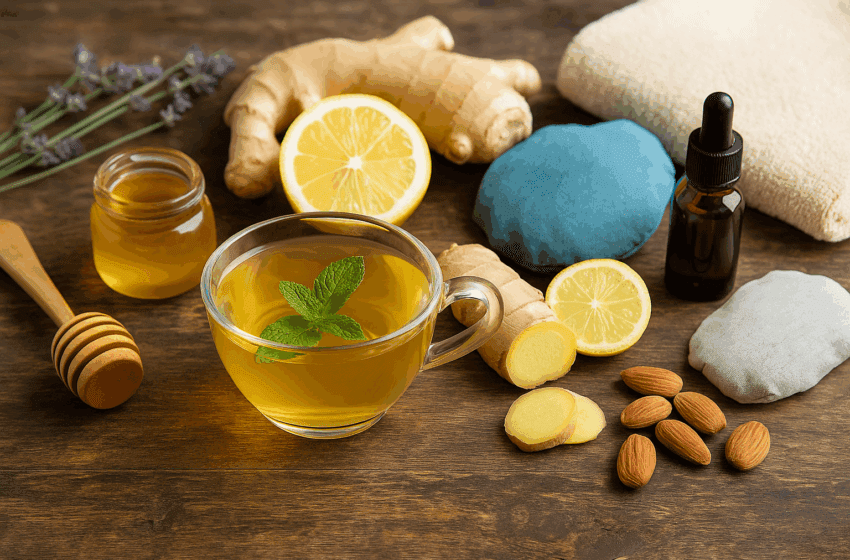

Home Remedies for Headaches: 10+ Natural Ways to Find Relief

Home Remedies for Headaches

Headaches are one of the most common ailments affecting millions of people daily. Whether it’s a tension headache, migraine, or sinus-related discomfort, the pain can be debilitating. While over-the-counter medications offer temporary relief, many seek more sustainable, gentle solutions. That’s where home remedies for headaches come in.

In this comprehensive guide, we’ll explore over ten proven and natural home remedies for headaches that not only alleviate pain but also prevent future episodes. These remedies are backed by research and loved for their accessibility and effectiveness.

1. 🌿 Stay Hydrated

One of the most overlooked home remedies for headaches is proper hydration. Dehydration can trigger tension headaches and migraines. Drinking enough water throughout the day helps maintain fluid balance and reduce inflammation.

Tip: Infuse your water with lemon or cucumber to make it more enjoyable and increase electrolyte intake naturally.

🔗 Mayo Clinic – Dehydration and Headaches

2. 🍵 Sip Herbal Teas

Herbal teas are excellent natural headache relief solutions. Chamomile, peppermint, and ginger teas possess anti-inflammatory and soothing properties. They help ease muscle tension, calm the mind, and reduce the severity of headaches.

Not only do they hydrate you, but these teas also promote relaxation—a key factor in managing stress-related headaches.

🔗 WebMD – Chamomile Tea and Migraine Relief

3. 🌸 Use Essential Oils

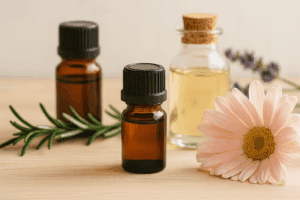
Aromatherapy with essential oils like lavender, peppermint, and eucalyptus is one of the most effective home remedies for headaches. These oils reduce muscle tension, enhance circulation, and calm the nervous system.

How to use: Add a few drops to a diffuser or mix with a carrier oil and apply to temples, neck, or wrists.

4. ❄️ Apply Cold or Warm Compresses

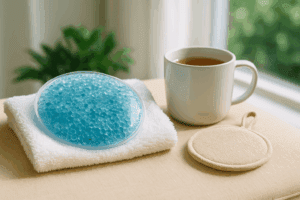
A cold compress can reduce inflammation and numb sharp headache pain, while a warm compress may relax tense muscles in the neck and shoulders. Depending on the type of headache, both techniques serve as excellent home remedies for headaches.

Try applying a warm cloth to the back of your neck or a cold pack to your forehead for 10–15 minutes.

5. 🧘 Practice Deep Breathing and Meditation

Stress is a major trigger for headaches. Practicing meditation, mindfulness, and deep breathing exercises can greatly reduce stress hormones. These are essential components of tension headache home treatment.

Even just 5–10 minutes of daily meditation can bring noticeable improvements in frequency and intensity of headaches.

6. 🍽️ Eat Magnesium-Rich Foods

Magnesium deficiency is linked to migraine attacks. Including foods like spinach, almonds, pumpkin seeds, and dark chocolate in your diet can help prevent and relieve headaches naturally.

This makes nutrition a powerful tool among the top home remedies for headaches.

🔗 NIH – Magnesium and Migraines

7. 😴 Improve Sleep Hygiene

Inconsistent or poor-quality sleep often leads to chronic headaches. Creating a calming bedtime routine, maintaining a regular sleep schedule, and limiting screen time before bed are essential steps.

For many, improving sleep is one of the most effective home remedies for headaches.

8. 💆‍♀️ Try Gentle Head and Neck Massage

Massaging the temples, scalp, neck, and shoulders helps increase blood flow and reduce tension—key factors in natural headache relief.

You can use essential oils during massage for added relaxation and effectiveness.

🔗 American Migraine Foundation – Foods That Trigger Headaches

9. 🚫 Avoid Trigger Foods

Certain foods can trigger headaches in sensitive individuals. Common culprits include aged cheese, chocolate, caffeine, artificial sweeteners, and processed meats.

Identifying and eliminating these from your diet is a vital part of holistic home remedies for headaches.

10. 🌞 Get Natural Sunlight (But Not Too Much)

Exposure to natural light helps regulate your circadian rhythm and boost vitamin D, which can prevent certain headaches. However, avoid overexposure, as too much sunlight can cause or worsen migraines in some individuals.

Balancing light exposure is a simple but powerful method for maintaining well-being and preventing headaches.

🔗 NIH – Aromatherapy and Headache Relief

11. 🧘‍♂️ Yoga for Headache Relief

Yoga combines physical postures, breathing techniques, and mindfulness. It improves blood circulation, reduces stress, and corrects posture—factors that all influence headache frequency.

Yoga is increasingly recognized among the top home remedies for headaches due to its whole-body healing approach.

12. 🌬️ Stay in a Well-Ventilated Environment

Poor air quality can trigger sinus headaches and migraines. Keeping your space ventilated, using air purifiers, or stepping outside for fresh air can help.

Many sufferers have found that simply improving air quality works as one of the fastest home remedies for headaches.

✅ Final Thoughts

Headaches can be exhausting, but they don’t have to control your life. By incorporating these home remedies for headaches into your daily routine, you can reduce their frequency, intensity, and impact—without depending solely on medication.

Everyone’s body is different, so experiment with different methods to find what works best for you. If headaches persist, consult a healthcare professional to rule out underlying conditions.

For more natural wellness guides, check out our previous post on How to Lower Blood Pressure Naturally: 9 Proven Ways to Improve Heart Health.

How to Stop Snoring Naturally: 7 Proven Remedies That Work

How to Stop Snoring Naturally?

Snoring might be common, but it doesn’t have to be permanent. If you’re searching for effective ways on how to stop snoring, you’re not alone. Millions struggle with noisy nights caused by airway blockages, poor sleep posture, or nasal congestion. The good news? You don’t need expensive machines or surgery. There are natural, science-backed solutions that can help you and your loved ones sleep soundly.

In this guide, we will explore home remedies for snoring, focusing on lifestyle changes, herbal treatments, and breathing enhancements. Whether you’re dealing with mild snoring or nightly noise complaints, these anti-snoring natural solutions will help you breathe easier and sleep better.


🛌 1. Adjust Your Sleeping Position

Modifying your sleep posture can significantly lessen snoring sounds and improve airflow through the airways. Sleeping on your back allows the tongue to fall backward, partially blocking airflow. Try sleeping on your side or using a body pillow to keep your posture stable. This simple adjustment can be your first step in learning how to stop snoring without medication.

💡 Tip: Elevating your head 4–6 inches using a special anti-snoring pillow can also improve breathing.

🔍 Keyword: sleep positions to stop snoring


🌿 2. Use Essential Oils

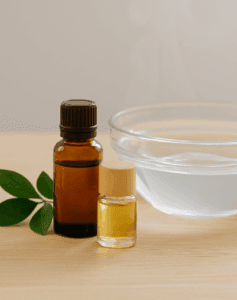
Essential oils like eucalyptus, peppermint, and lavender can help clear airways and promote deeper sleep. These oils are powerful natural allies in the quest to end snoring naturally.

🧪 Scientific Insight: Cineole, found in eucalyptus oil, acts as a natural decongestant. Lavender oil promotes relaxation.

💡 How to use: Add a few drops to a diffuser or inhale via steam before bed.

🔍 Keyword: essential oils for snoring


♨️ 3. Try Steam Inhalation

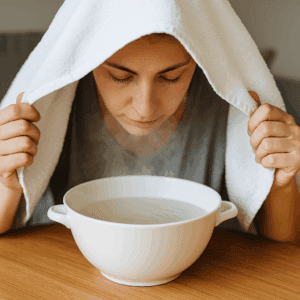
Inhaling steam is a trusted nasal congestion remedy that helps reduce mucus and ease breathing.

🫧 How to do it: Boil water, pour into a bowl, add essential oils, cover your head with a towel, and inhale for 5–10 minutes.

🔍 Keyword: nasal congestion remedies


🍽️ 4. Maintain a Healthy Weight

Extra weight, especially around the neck, narrows the airway and increases snoring. Losing just 10% of body weight can significantly reduce snoring intensity.

✅ Natural Tip: Eat light dinners and avoid alcohol before bed.


☕ 5. Herbal Teas and Natural Drinks

Herbs like ginger, chamomile, and peppermint are excellent home remedies for snoring. They soothe the throat and reduce inflammation.

💡 Extra Tip: Add honey and lemon for added benefits.


🛡️ 6. Use Natural Anti-Snoring Aids

These anti-snoring natural solutions include nasal strips, chin straps, and mouthpieces that support the airway and reduce soft palate vibration.


🛏️ 7. Optimize Your Sleep Environment

Dry air, allergens, and dust can worsen snoring. Use humidifiers and clean your bedding regularly.

💡 Pro Tip: Add air-purifying plants and avoid strong scents in your room.


🔍 Final Thoughts: Stop Snoring Naturally, Sleep Peacefully

From sleep posture to home remedies for snoring, these strategies can help you sleep better—naturally and affordably. If snoring persists with symptoms like choking or gasping, seek medical evaluation for sleep apnea.


🔗 Read Next:

Want to improve your sleep even more?
👉 Home Remedies for Coughing: Science-Backed Ways to Soothe Your Airways

Top 6 Herbal Teas for Better Sleep and Mood – Backed by Science

Top 6 Herbal Teas for Better Sleep and Mood

✅ 1. Chamomile Tea

🌙 Why is it used for sleep?

Chamomile is one of the oldest medicinal herbs used in traditional healing. It contains a powerful antioxidant called “apigenin” that binds to specific receptors in the brain, promoting relaxation and better sleep.

🔬 What does the research say?

A 2015 study published in the Journal of Advanced Nursing found that postpartum women who drank chamomile tea for two weeks reported significantly improved sleep quality and reduced symptoms of depression.

☕ How to prepare it:

  • 1 tablespoon of dried chamomile flowers
  • Pour hot water and let steep for 5–7 minutes
  • Drink 30 minutes before bedtime

Chamomile tea has a gentle flavor and a calming aroma that soothes your senses from the first sip. Try adding a bit of raw honey to enhance its calming effect.


✅ 2. Lavender Tea

🌺 Psychological benefits:

Lavender is well-known for its ability to calm the nervous system and reduce stress. Its aroma alone can stimulate the brain to release feel-good chemicals like serotonin and dopamine.

🧪 Key study:

A study from Kagoshima University in Japan showed that inhaling lavender aroma while drinking the tea reduced blood pressure and heart rate, indicating a deep relaxation response.

💡 Note:

Avoid overuse during pregnancy, and reserve it for your nighttime routine.

Drinking lavender tea before bed is a full sensory experience. The soothing taste and therapeutic fragrance create the perfect mood for restful sleep.

✅ 3. Lemon Balm Tea

🍋 What is it?

Lemon balm (Melissa officinalis) is part of the mint family, with a refreshing hint of citrus in its taste.

🔍 Backed by science:

A 2011 study in the Mediterranean Journal of Nutrition and Metabolism found that lemon balm extract helps reduce mild insomnia and social anxiety.

⚠️ Safety:

Generally safe in moderate amounts. It may also help uplift your mood during periods of high stress.

Lemon balm has been used in folk medicine for centuries—not just for sleep but also to support mental clarity and nervous system health. Ideal for a relaxing evening drink.

✅ 4. Passionflower Tea

🌼 What is it?

Passionflower contains flavonoids and alkaloids that act as natural sedatives by calming brain activity.

📊 Clinical trial:

A 2011 randomized controlled trial showed that participants who drank passionflower tea for one week experienced deeper sleep and fewer disturbing dreams compared to a placebo group.

🕰 When to drink?

30–45 minutes before sleep for optimal results.

Passionflower tea is a top choice for those dealing with recurring insomnia or nighttime anxiety. It offers a mild taste and is easy to incorporate into your nightly ritual.

✅ 5. Peppermint Tea

😌 Why peppermint?

Peppermint not only aids digestion but also helps relax muscles and relieve tension headaches caused by stress.

🧠 Mental impact:

Menthol, the key compound in peppermint, is thought to activate GABA receptors in the brain—the same ones targeted by anti-anxiety medications.

Often enjoyed after meals, peppermint tea also works well as an evening drink to ease the body and calm the mind.

✅ 6. Ashwagandha Root Tea

💪 More than a sedative:

Ashwagandha is used in Ayurvedic medicine as an “adaptogen,” meaning it helps the body adapt to stress and lowers cortisol levels naturally.

🔬 Scientific evidence:

A study in the Indian Journal of Psychological Medicine found that taking Ashwagandha for 60 days led to a 44% reduction in stress levels.

Ashwagandha tea has a warm, earthy flavor and is best consumed in the evening to quiet the mind and support uninterrupted sleep.

📝 Tips Before Using Herbal Teas:

  • Avoid mixing more than two herbs in one cup.
  • Consult a doctor if you’re on medication or have chronic health conditions.
  • Always use organic, trusted herbal sources.
  • Make herbal tea part of a consistent bedtime routine.

Harmony between nature and your body begins with a warm, mindful cup of herbal tea. Take time for yourself, and feel the difference.

🔚 Final Thoughts:

If you’re looking for natural alternatives to improve sleep and mood without relying on pharmaceuticals, these six herbal teas offer safe, effective, and research-backed solutions. Choose the ones that resonate most with your needs—and start your journey toward deeper rest and emotional balance.

Exit mobile version