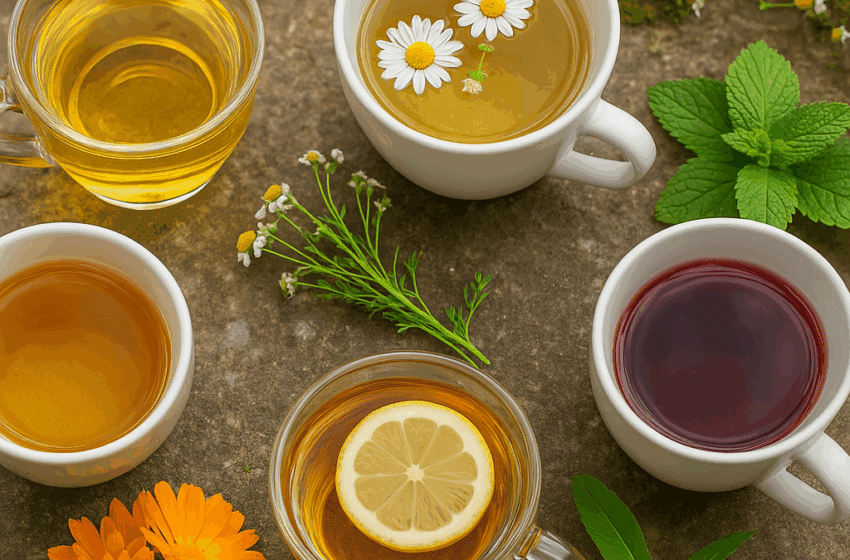
Natural Remedies for Hormonal Imbalance That Transform Your Energy and Mood

Natural Remedies for Hormonal Imbalance

Hormonal imbalance can disrupt nearly every aspect of life, from mood and energy to digestion and reproductive health. It affects both men and women, often going undetected until symptoms become severe. Fortunately, natural remedies for hormonal imbalance offer safe, effective ways to rebalance your body without resorting to synthetic treatments. These remedies support the endocrine system, restore hormonal harmony, and help you feel energized, focused, and emotionally balanced again.

1. Eat a Hormone-Balancing Diet

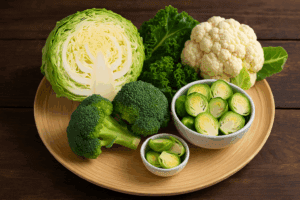
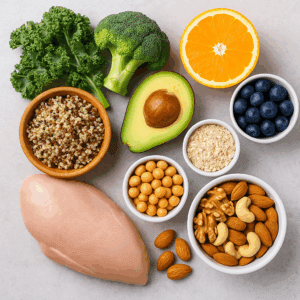
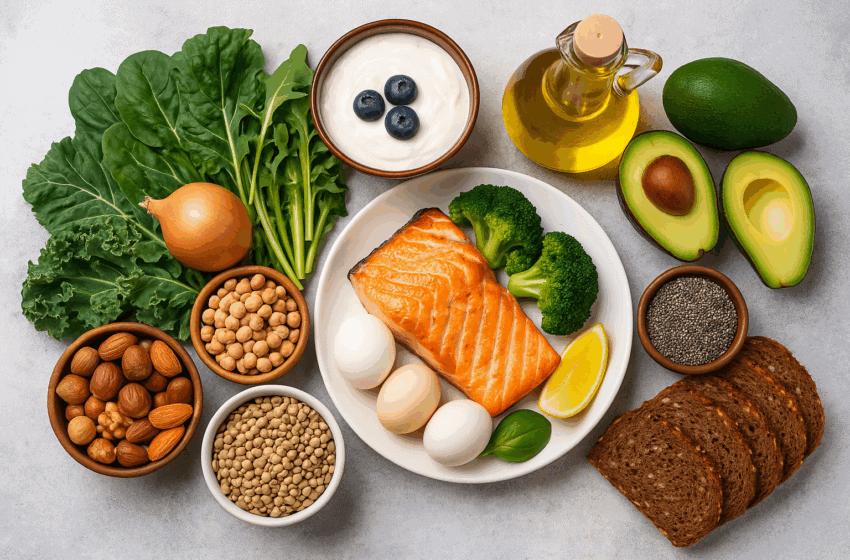
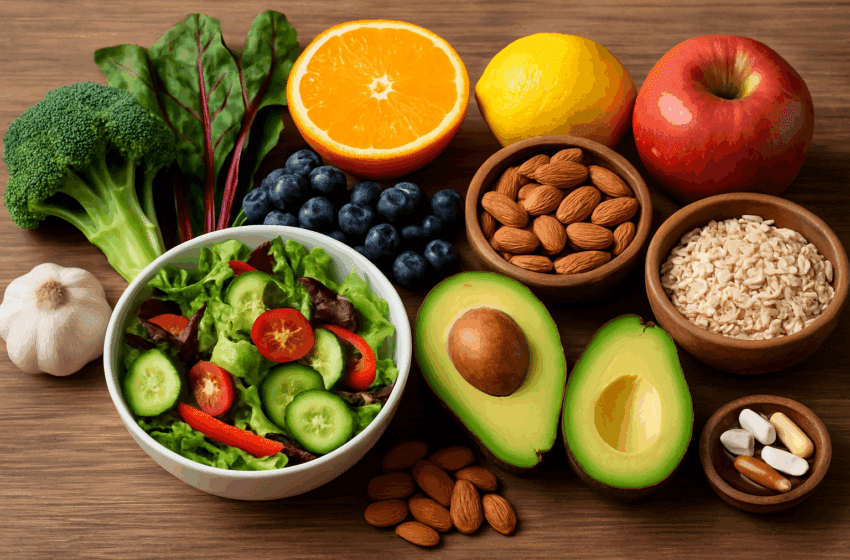
A key starting point for addressing hormonal issues is nutrition. One of the most effective natural remedies for hormonal imbalance is adopting a clean, hormone-supportive diet. Prioritize organic fruits and vegetables, healthy fats like avocado and olive oil, and high-quality protein sources. Cruciferous vegetables (like broccoli and kale) support estrogen detoxification, while omega-3 fatty acids reduce inflammation and support hormone production. Eliminate refined sugar, caffeine, alcohol, and processed foods that disrupt endocrine function. Eating at regular intervals and avoiding blood sugar spikes also helps maintain insulin and cortisol balance.

Try incorporating flaxseeds, chia seeds, and walnuts for added hormone-friendly omega-3s. A good starting guide on balancing hormones with food is Healthline’s natural hormone guide.

2. Support Liver Function for Detoxification
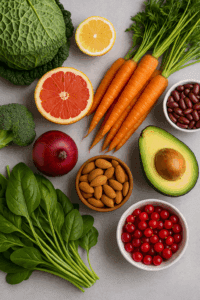
Your liver plays a critical role in breaking down excess hormones and toxins. When it’s overburdened, hormonal imbalances can worsen. Natural liver support is among the most vital natural remedies for hormonal imbalance. Include foods like dandelion greens, beets, and garlic, and drink plenty of water. Herbs such as milk thistle and burdock root promote detoxification. Reducing alcohol and environmental toxins helps lighten the liver’s load, allowing hormones to clear effectively. A healthy liver means a better-regulated hormonal system and fewer symptoms such as bloating, acne, or fatigue.

Discover the connection between liver health and hormones in this comprehensive resource by Dr. Axe.

3. Balance Stress and Cortisol Naturally

Chronic stress is one of the leading causes of hormonal imbalance. Stress hormones like cortisol can interfere with progesterone, thyroid, and even insulin levels. Among the most impactful natural remedies for hormonal imbalance are mindfulness practices such as meditation, deep breathing, yoga, and walking in nature. Adaptogenic herbs like ashwagandha, rhodiola, and holy basil help regulate the body’s stress response and support adrenal health. By calming your nervous system daily, you minimize hormonal disruptions and improve resilience over time.

For science-backed insight into how stress impacts hormones, read this NCBI study on stress and hormonal balance.

4. Optimize Sleep Hygiene

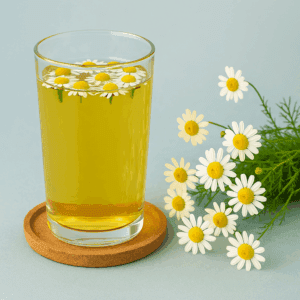
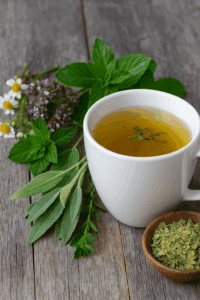
Sleep is crucial for hormonal repair and regulation. Poor sleep leads to imbalances in ghrelin, leptin, melatonin, and cortisol, impacting appetite, mood, and metabolism. Improving sleep quality is one of the simplest yet powerful natural remedies for hormonal imbalance. Create a calming bedtime routine, avoid blue light screens in the evening, and go to bed at the same time each night. Herbal teas like chamomile and valerian, along with magnesium supplements, can aid relaxation and support sleep. A restful night allows your endocrine system to reset and function optimally.

Learn more about sleep’s role in hormonal health from the Sleep Foundation.

5. Exercise Consistently but Gently

Physical activity boosts metabolism, regulates insulin, and promotes the release of mood-stabilizing hormones like serotonin and dopamine. However, over-exercising can spike cortisol and exacerbate imbalances. One of the best natural remedies for hormonal imbalance is incorporating moderate, consistent exercise such as brisk walking, pilates, yoga, or swimming. These movements support lymphatic flow, reduce inflammation, and nourish hormone production. Listen to your body—rest is just as important as movement.

6. Use Herbal Support to Restore Balance

Certain herbs have long been used to correct hormonal imbalances naturally. Chasteberry (Vitex) is known to regulate progesterone and improve menstrual cycles. Maca root supports adrenal and reproductive hormones, while black cohosh and dong quai relieve menopause symptoms. These natural remedies for hormonal imbalance can be taken as teas, capsules, or tinctures, depending on your needs. Always consult a professional to determine the correct dosage and combination, especially if you’re on other medications.

7. Avoid Endocrine Disruptors
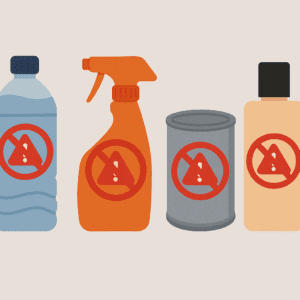
Exposure to chemicals that interfere with hormonal function is a major yet often overlooked cause of imbalance. These disruptors are found in plastics, personal care products, cleaning supplies, and pesticides. As part of your strategy for natural remedies for hormonal imbalance, switch to glass containers, use organic skincare and household products, and filter your water. Reducing your toxic load helps your body focus on restoring balance rather than defending against external threats.

8. Support Gut Health

The gut and hormones are intricately connected through the gut-hormone axis. A disrupted gut microbiome can hinder hormone metabolism, especially estrogen. Supporting gut health is one of the lesser-known but powerful natural remedies for hormonal imbalance. Eat prebiotic and probiotic-rich foods like yogurt, kefir, sauerkraut, and fiber-filled vegetables. Avoid antibiotics unless necessary, and consider adding a high-quality probiotic supplement. A healthy gut enhances nutrient absorption, detoxification, and hormonal communication across the body.

9. Track Your Cycle and Symptoms

Understanding your hormonal patterns helps identify root causes and effective interventions. Track your menstrual cycle, energy levels, mood, and symptoms daily. This awareness acts as a guide for which natural remedies for hormonal imbalance work best for your unique body. It can also help your healthcare provider make more informed recommendations. Apps and journals make cycle tracking accessible and empowering.

10. Final Thoughts

Hormonal balance is essential for physical, mental, and emotional health. With commitment and consistency, natural remedies for hormonal imbalance can bring noticeable improvements in energy, mood, sleep, and overall well-being. Start small, stay consistent, and trust your body’s ability to heal when supported by the right tools. Always consult a health professional when making significant changes to your wellness routine.

Explore more holistic solutions on our homepage, or dive deeper into related topics like Discover the Best Natural Remedies for Joint Pain and Inflammation.

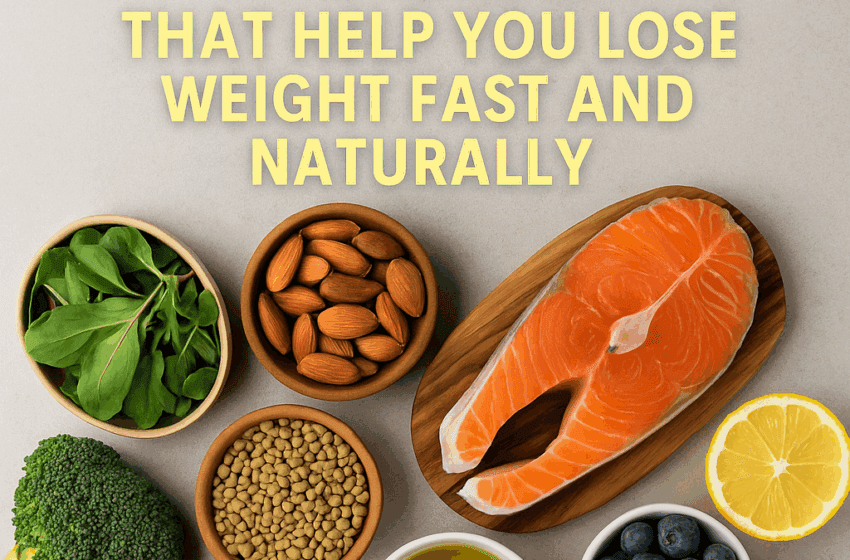
Best Fat Burning Foods for Quick and Healthy Weight Loss

Fat Burning Foods for Weight Loss

If you’re on a journey to lose weight, incorporating fat burning foods into your diet can make a significant difference. These fat burning foods not only help boost metabolism but also keep you full longer and reduce cravings. Knowing what to eat and how these foods function in your body can empower you to make smarter, healthier choices every day. Below are some of the most effective fat burning foods for weight loss that are supported by scientific evidence. For more wellness tips, visit our homepage.

1. Leafy Greens – Low in Calories, High in Fiber

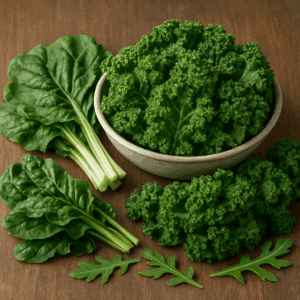
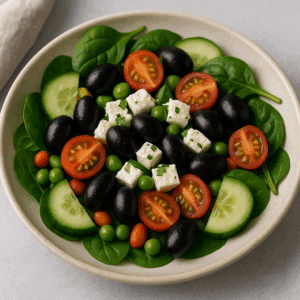
Leafy greens like spinach, kale, and Swiss chard are low in calories and high in fiber, making them perfect fat burning foods for weight loss. They increase the volume of your meals without adding too many calories. Their rich nutrient profile also supports overall health while promoting satiety. Eating more leafy greens can help you stay full and reduce overall calorie intake, which is crucial for fat burning. They are also rich in antioxidants, which support your body’s ability to detoxify and burn fat more efficiently.

2. Fatty Fish – Omega-3s and Fullness

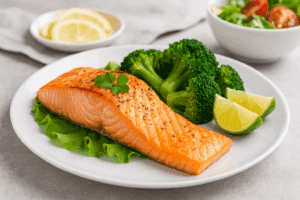
Fatty fish such as salmon, mackerel, and sardines are excellent sources of protein and omega-3 fatty acids. These fat burning foods reduce inflammation and may help increase fat burning. Eating fatty fish regularly can also help regulate hunger hormones like leptin and ghrelin. Plus, the high protein content supports muscle maintenance during weight loss, which is key to keeping metabolism high. Omega-3s are also beneficial for heart health, making fatty fish a double-win food.

3. Cruciferous Vegetables – High Volume, Nutrient-Dense

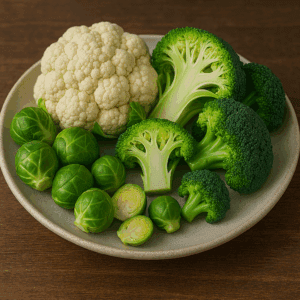
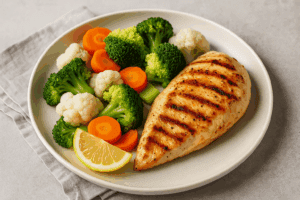
Cruciferous vegetables like broccoli, cauliflower, and Brussels sprouts are packed with fiber and nutrients. These fat burning foods are filling and low in calories, making them great for weight loss. These vegetables also contain compounds that may help with fat breakdown in the body. They support digestion and may aid in hormonal balance, both of which are important for efficient fat loss. Adding them to meals regularly helps you feel full longer and encourages better portion control.

4. Chicken Breast and Lean Meats – Metabolism Boosters

Lean meats like chicken breast, turkey, and lean beef are high in protein, which is essential for fat burning foods to work efficiently. Digesting protein takes more energy than carbs or fat, which means your body burns more calories processing it. Including lean meats in your meals can also help you build muscle mass, which further boosts metabolism. They’re also versatile and can be incorporated into many dishes without adding unnecessary fats or sugars.

5. Boiled Potatoes – Satiety Index Champion

Boiled potatoes are often misunderstood but they are actually highly satisfying and rank high on the satiety index. They are surprising fat burning foods when consumed wisely. They provide complex carbohydrates, fiber, and essential vitamins like potassium and vitamin C. Their ability to keep you full for longer can help reduce snacking and overeating. When consumed in moderation and without heavy toppings, they can support weight loss goals effectively.

6. Beans and Legumes – Fiber-Packed Fat Fighters

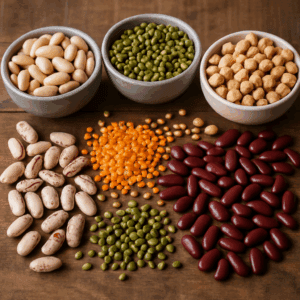
Beans and legumes like lentils, black beans, and chickpeas are excellent fat burning foods due to their high fiber and protein content. They digest slowly and help maintain stable blood sugar levels, reducing hunger and cravings. Their high fiber content helps improve digestion and supports a healthy gut, which is crucial for effective weight management. They’re also budget-friendly and can be easily added to salads, soups, and main dishes.

7. Nuts – Snack Smart and Stay Full

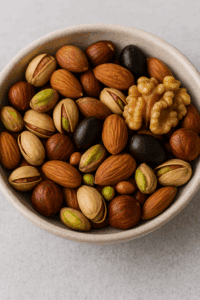
Nuts such as almonds, walnuts, and pistachios are nutrient-dense fat burning foods rich in healthy fats, protein, and fiber. They promote satiety and can help prevent overeating. Despite being calorie-dense, studies show that moderate nut consumption is associated with reduced fat gain. They’re great as a portable snack or a topping for yogurt or oatmeal. Just be mindful of portion sizes, as it’s easy to overconsume them.

8. Whole Grains – Energy and Fiber Combo

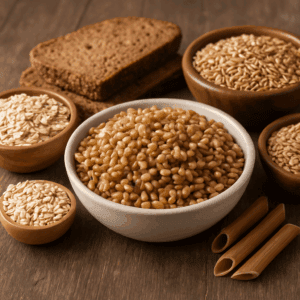
Whole grains like oats, quinoa, and brown rice are powerful fat burning foods because they are rich in complex carbohydrates and fiber. They release energy slowly, keeping you fueled and satisfied throughout the day. They help stabilize blood sugar levels, which is important for fat burning. Unlike refined grains, whole grains retain all parts of the grain, providing more nutrients and longer-lasting energy. Swapping white rice or white bread for whole grain options can make a noticeable impact on your weight loss journey.

9. Chia Seeds – Expand in the Stomach for Satiety

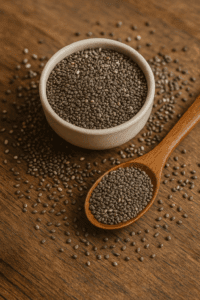
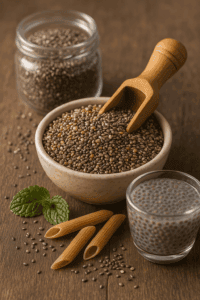
Chia seeds are versatile fat burning foods loaded with fiber and omega-3 fatty acids. They expand in your stomach when mixed with liquid, helping you feel full longer. They also provide protein, which aids in fat burning and muscle maintenance. Add them to smoothies, oatmeal, or yogurt for a nutritional boost. They are incredibly versatile and can even be used to make healthy puddings or as an egg substitute in vegan recipes.

10. Fruits – Natural Sweetness with Benefits

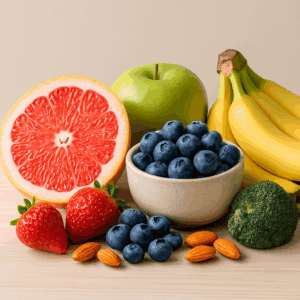
Fruits like berries, apples, and grapefruit offer natural sweetness along with fiber, vitamins, and antioxidants. As fat burning foods, they satisfy sugar cravings in a healthy way and help regulate blood sugar levels. Their water and fiber content keep you full and hydrated. Including fruits in your diet can help reduce the desire for unhealthy snacks and support weight loss goals. Focus on whole fruits rather than juices to get the most benefits.

11. Apple Cider Vinegar – Appetite Suppressant

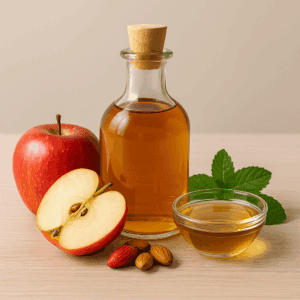
Apple cider vinegar has been shown to help suppress appetite and improve metabolism. As one of the most popular natural fat burning foods, it promotes a feeling of fullness and helps with portion control. ACV may also aid in blood sugar regulation, which is beneficial for fat loss. It’s best to dilute it in water and drink it before meals or use it in salad dressings. Learn more from this Healthline article.

12. Green Tea – Boosts Metabolism and Fat Burning

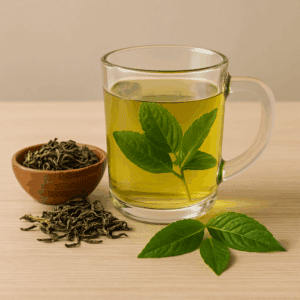
Green tea contains catechins and caffeine, which have been shown to enhance the effects of foods that burn fat. Drinking green tea regularly may help reduce body fat, especially in the abdominal area. It’s a refreshing, low-calorie drink that also supports overall health. Replace sugary beverages with green tea for a metabolism-friendly alternative. Learn more from Medical News Today.

13. Greek Yogurt – Protein-Rich Probiotic Option

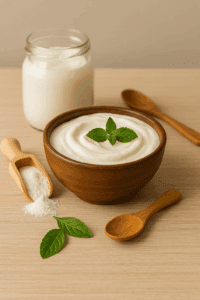
Greek yogurt is high in protein and contains probiotics that support gut health. It’s a delicious addition to your list of fat burning foods. A healthy gut is essential for weight management and efficient digestion. The high protein content also helps build and maintain muscle, which supports a healthy metabolism. Choose plain, unsweetened varieties to avoid added sugars.

Final Thoughts

Incorporating metabolism-boosting foods into your daily routine is a smart, sustainable way to support weight loss. These natural fat burners help increase metabolism, reduce cravings, and keep you full longer. Combine them with regular physical activity, adequate hydration, and sufficient sleep for best results. For more natural health tips, check out our article on losing lower belly pooch naturally. By consistently choosing nutrient-dense, metabolism-boosting foods, you can accelerate your fat loss journey and maintain a healthier lifestyle in the long term.

How to Lose Lower Belly Pooch After Pregnancy Naturally

How to Lose Lower Belly Pooch

After pregnancy, many women find themselves struggling with a stubborn lower belly pooch that doesn’t seem to go away. If you’re wondering how to lose lower belly pooch after pregnancy naturally, know that you’re not alone. This common concern can be addressed effectively with consistent effort, smart nutrition, proper exercise, and patience. It’s not just about aesthetics—reducing lower belly fat post-pregnancy can also improve your posture, boost confidence, and support your core health. In this guide, you’ll learn how to reclaim your body naturally and safely.

1. Understand the Cause of Lower Belly Pooch

To figure out how to lose lower belly pooch after pregnancy naturally, it’s essential to understand the underlying causes. During pregnancy, your abdominal muscles stretch to accommodate your growing baby. This can lead to a condition called diastasis recti—where the abdominal muscles remain separated after childbirth. Hormonal shifts and water retention also contribute to belly fat accumulation. Understanding these biological processes helps you take the right approach without frustration or unrealistic expectations. It’s crucial to address the root, not just the symptoms, of postpartum belly fat.

2. Focus on Nutrition and Whole Foods

One of the best natural methods for how to lose lower belly pooch after pregnancy naturally is to focus on clean eating. Whole foods like leafy greens, lean proteins, nuts, seeds, and healthy fats fuel your body while promoting fat loss. Avoid refined carbs and sugars that spike insulin and lead to fat storage. Staying hydrated also flushes toxins and aids digestion. Try building balanced meals that include high-fiber vegetables and protein to maintain satiety and avoid unnecessary snacking. Preparing meals at home helps control ingredients and supports consistency.

3. Try Postnatal-Safe Core Exercises

Core exercises are essential for strengthening your abdominal wall and supporting the back. Choose postnatal-safe moves like pelvic tilts, bird-dogs, glute bridges, and heel slides. These workouts are gentle yet powerful in toning your core without straining weakened muscles. As your strength improves, gradually introduce planks and other dynamic core moves. When done consistently, these exercises contribute to how to lose lower belly pooch after pregnancy naturally. Consulting a postpartum fitness expert can further ensure you are performing exercises safely and effectively.

4. Walk Daily and Incorporate Gentle Cardio

Walking is one of the easiest and most effective activities to jumpstart fat burning. It’s safe, low-impact, and can be done with your baby in a stroller. Gentle cardio, such as swimming or low-impact aerobics, also accelerates metabolism and promotes full-body fat loss. For how to lose lower belly pooch after pregnancy naturally, try to move your body for at least 30 minutes a day. Regular movement increases energy, reduces stress, and improves circulation—all of which contribute to faster recovery and fat loss.

5. Support Your Body with Sleep and Rest

It might sound impossible with a newborn, but adequate sleep is essential for fat loss. When you’re sleep-deprived, cortisol levels rise, making your body more likely to store fat, especially in the belly. Aim for restful sleep whenever possible and nap when your baby sleeps. Good sleep improves hormonal balance and appetite regulation. If you’re seeking how to lose lower belly pooch after pregnancy naturally, remember that rest is just as vital as diet and exercise. Use support systems—partner, family, or friends—to carve out rest time.

6. Breastfeed If Possible

Breastfeeding burns calories and helps the uterus return to its pre-pregnancy size, contributing to natural fat loss. For many women, this process supports how to lose lower belly pooch after pregnancy naturally by accelerating metabolism and hormonal balance. However, every body responds differently, and some may experience increased appetite. The key is to eat nutritious foods while listening to your hunger cues. Breastfeeding alone won’t eliminate belly fat, but it can support the journey when paired with other healthy practices.

7. Reduce Stress to Support Fat Loss

Stress triggers the release of cortisol, a hormone that encourages fat storage in the midsection. Incorporating calming activities such as meditation, journaling, yoga, or simply walking in nature helps reduce stress levels. New motherhood can be overwhelming, and managing stress is part of self-care. For anyone asking how to lose lower belly pooch after pregnancy naturally, stress management should be non-negotiable. Taking time for yourself, even in short intervals, benefits your emotional and physical health alike.

8. Stay Hydrated and Avoid Bloating

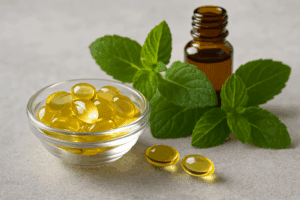
Drinking enough water daily helps reduce water retention and bloating. Herbal teas like ginger, fennel, and peppermint also support digestion and minimize inflammation. Avoid carbonated beverages and excess salt, which contribute to bloating and discomfort. If you’re researching how to lose lower belly pooch after pregnancy naturally, pay attention to hydration—it’s a simple yet often overlooked tool for slimming the belly and feeling lighter overall.
9. Be Patient and Consistent

Postpartum recovery and fat loss take time. Every body is different, and comparing yourself to others can lead to frustration. Celebrate small wins—like increased energy, better sleep, or improved mood. Track your progress through photos or measurements, not just the scale. Sustainable habits built gradually are the key to how to lose lower belly pooch after pregnancy naturally. Remember that your body has done something amazing, and treating it with kindness will produce better results than any crash diet ever could.

10. Consider Diastasis Recti Rehab if Needed

If your belly continues to protrude months after delivery, you may have diastasis recti. This condition requires specific rehabilitative exercises to close the abdominal gap. Working with a physical therapist or certified postpartum trainer can help. Rehab not only helps with how to lose lower belly pooch after pregnancy naturally, but also strengthens your core, reduces back pain, and improves posture. Addressing this issue early prevents complications and helps restore functional strength to your midsection.

Useful Resources:

Final Thoughts

Learning how to lose lower belly pooch after pregnancy naturally is a journey that combines movement, mindful nutrition, proper rest, and patience. Every step you take is progress. Be kind to yourself and embrace the process. Your post-baby body deserves love, care, and attention—and with time, it will transform in powerful ways. Trust your body and trust the process.

15 Best Foods for Weight Loss Backed by Science – Boost Fat Burning Naturally

15 Best Foods for Weight Loss

Introduction: Why Food Choice Matters in Weight Loss

The journey to weight loss isn’t only about cutting calories or hitting the gym daily — it’s also about choosing the right foods. The best foods for weight loss are those that nourish your body, help control appetite, and keep you satisfied longer. These foods are not only low in calories but also rich in fiber, protein, healthy fats, and essential nutrients that support metabolism and hormonal balance. In this article, we’ll uncover 15 of the most effective foods to help you lose weight naturally and sustainably.

1. Leafy Greens – Low in Calories, High in Fiber

Leafy greens like spinach, kale, arugula, and collard greens are staples in most weight loss diets. They’re extremely low in calories but high in fiber and water content, which helps fill you up without overeating. The fiber in leafy greens also supports digestion and blood sugar control, which is vital during fat loss. You can enjoy them raw in salads, blended in smoothies, or sautéed with olive oil. Medical News Today: Benefits of Leafy Greens


2. Eggs – High-Protein, Appetite-Reducing Superfood

Eggs are among the best foods for weight loss thanks to their high protein and healthy fat content. Research shows that consuming eggs for breakfast increases feelings of fullness and reduces calorie intake at subsequent meals. They’re also packed with essential nutrients like vitamin B12, choline, and selenium, which are often lacking in calorie-restricted diets.


3. Fatty Fish – Omega-3s and Fullness

Fatty fish such as salmon, sardines, and mackerel are rich in high-quality protein and omega-3 fatty acids, which help fight inflammation and may support weight loss. Fish protein helps you feel satisfied for longer, reducing the chances of overeating. Aim for two servings per week for optimal benefits. Healthline: Salmon Benefits


4. Cruciferous Vegetables – High Volume, Nutrient-Dense


Vegetables like broccoli, cauliflower, cabbage, and Brussels sprouts are incredibly filling due to their high fiber and water content. They’re also rich in glucosinolates, which support detoxification. When steamed or roasted, they make a satisfying, low-calorie side dish that keeps your appetite in check while delivering vital nutrients.


5. Chicken Breast and Lean Meats – Metabolism Boosters

Lean meats such as skinless chicken breast and turkey are excellent sources of protein, which is crucial for maintaining muscle mass during weight loss. Protein also has a higher thermic effect than fats and carbs, meaning your body burns more calories digesting it. This makes lean meats one of the best foods for weight loss when portioned wisely.


6. Boiled Potatoes – Satiety Index Champion

Though often overlooked, boiled potatoes are incredibly filling and score the highest on the satiety index. When cooled, they form resistant starch, a type of fiber that promotes fat oxidation and gut health. Instead of avoiding carbs altogether, enjoy them in moderation as part of a balanced plate. PubMed Study on Satiety Index


7. Beans and Legumes – Fiber-Packed Fat Fighters

Beans, lentils, chickpeas, and black beans are loaded with plant-based protein and soluble fiber. These nutrients delay digestion and prevent blood sugar spikes, reducing hunger and supporting a calorie deficit. They’re budget-friendly, versatile, and easy to incorporate into soups, salads, or grain bowls.


8. Avocados – Healthy Fats for Controlled Eating

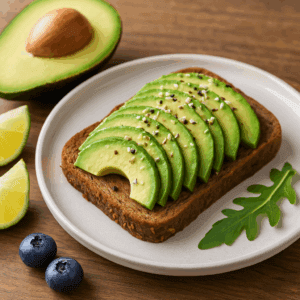
Avocados are rich in monounsaturated fats, fiber, and potassium. Studies show that adding half an avocado to meals can reduce hunger and cravings. Although high in calories, their healthy fat content helps regulate hormones that control appetite, making them one of the best foods for weight loss when used in moderation.


9. Nuts – Snack Smart and Stay Full

Nuts like almonds, walnuts, and pistachios provide protein, fiber, and healthy fats. Despite being calorie-dense, studies show that nut consumption is not linked to weight gain — in fact, it may support weight loss. Enjoy a handful as a snack or sprinkle them on yogurt and salads for crunch and nutrients. NCBI: Nuts and Weight Control


10. Whole Grains – Energy and Fiber Combo

Whole grains such as oats, brown rice, quinoa, and barley are full of complex carbs and fiber. They provide slow-releasing energy, help stabilize blood sugar, and improve digestion. Replacing refined carbs with whole grains can support weight management and reduce belly fat over time.


11. Chia Seeds – Expand in the Stomach for Satiety

Chia seeds are tiny but powerful. They absorb up to 10–12 times their weight in water, forming a gel-like substance in the stomach that promotes fullness. Rich in omega-3s and fiber, they support digestive health and can be added to smoothies, puddings, or oatmeal.


12. Fruits – Natural Sweetness with Benefits

Fruits like berries, apples, grapefruit, and oranges offer a sweet solution for those with a sweet tooth. Low in calories and high in fiber, they provide essential vitamins and antioxidants while helping you manage hunger and prevent sugar crashes.


13. Apple Cider Vinegar – Appetite Suppressant

ACV has been linked to reduced appetite and improved insulin sensitivity. Adding 1–2 tablespoons to a glass of water before meals may help reduce calorie intake. Just be cautious with your teeth and always dilute it. Medical News Today: Apple Cider Vinegar and Weight Loss


14. Green Tea – Boosts Metabolism and Fat Burning

Green tea contains catechins and a small dose of caffeine, both of which enhance fat burning and metabolic rate. Drinking green tea regularly can complement a weight loss plan, especially when combined with exercise. It’s also hydrating and full of antioxidants.


15. Greek Yogurt – Protein-Rich Probiotic Option

Greek yogurt provides double the protein of regular yogurt and contains probiotics for gut health. Consuming it as a snack or breakfast option helps manage appetite, build lean muscle, and support a healthy digestive system. Choose plain, unsweetened varieties for best results.


Lifestyle Tips to Maximize Food Impact

  • Drink at least 2 liters of water daily to enhance digestion and prevent false hunger
  • Plan meals in advance to avoid processed food temptations
  • Chew food slowly and mindfully to recognize satiety cues
  • Get enough sleep — lack of rest increases cravings
  • Combine these best foods for weight loss with regular physical activity

Final Thoughts: Making Smart, Sustainable Choices

True weight loss is not about extreme restrictions or short-term diets. You may also want to explore our guide on natural remedies for bloating to further support your weight loss journey.
It’s about making smart, sustainable decisions every day. Incorporating these best foods for weight loss into your meals can transform how you feel, improve your energy levels, and help you achieve your health goals. Start with a few changes, stay consistent, and celebrate your progress along the way.

10 Natural Remedies for Bloating: Effective Ways to Feel Better Fast

10 Natural Remedies for Bloating

Bloating is a common and uncomfortable digestive issue that affects millions of people. Whether it’s caused by overeating, food intolerances, or poor digestion, it can leave you feeling sluggish and heavy. In this article, we’ll explore natural remedies for bloating that are backed by science and tradition, helping you reduce discomfort and restore balance to your gut.

1. Drink Warm Ginger Tea

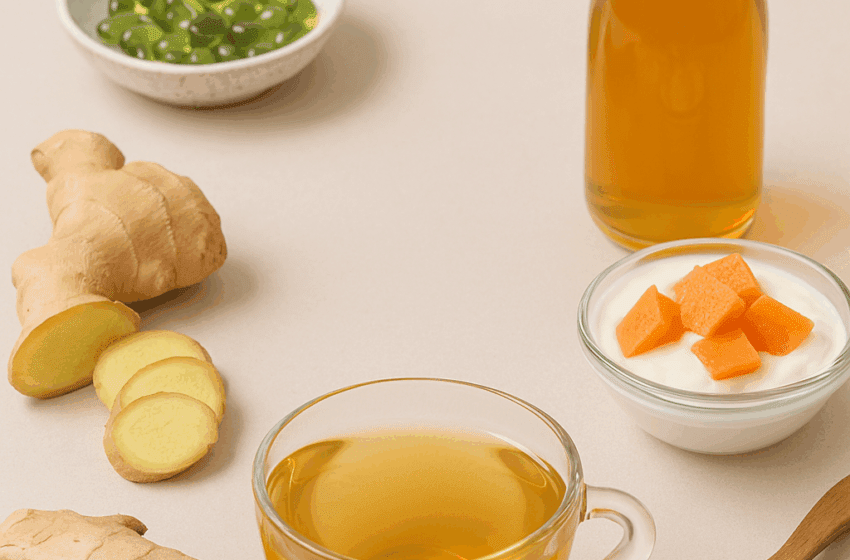
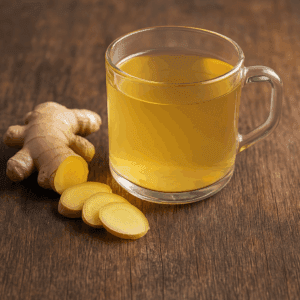
Ginger is a powerful digestive herb known for its anti-inflammatory and gas-relieving properties. Drinking a cup of warm ginger tea after meals can help stimulate digestion and relieve bloating. It works well for bloating after eating and helps with natural gas relief.

Learn more about ginger’s digestive benefits


2. Use Peppermint Oil Capsules

Peppermint oil has been shown in studies to relax intestinal muscles and ease digestive discomfort. It’s one of the most effective home remedies for gas and bloating. Try enteric-coated peppermint capsules before or after meals.

WebMD: Peppermint Oil Benefits

3. Eat Slowly and Mindfully

Fast eating causes you to swallow air, leading to more gas and bloating. Take your time while eating and chew your food thoroughly. This simple habit is one of the easiest natural remedies for bloating that anyone can adopt.


4. Add Fennel Seeds to Your Routine

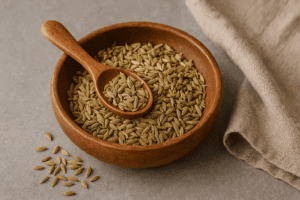
Fennel seeds are widely used in Ayurvedic and Middle Eastern medicine as a natural carminative. Chewing a teaspoon of fennel seeds after a meal can reduce gas and bloating while supporting digestion.

Read the scientific study on fennel


5. Stay Hydrated with Lemon Water

Hydration is key to healthy digestion. Drinking warm water with lemon in the morning helps stimulate digestive enzymes and cleanse your system. It also helps reduce bloating after eating heavy meals.


6. Try Yoga Poses That Aid Digestion

Certain yoga poses like wind-relieving pose (Pawanmuktasana), child’s pose, and seated spinal twists can help release trapped gas. These gentle stretches are excellent natural remedies for bloating that also relieve stress.

Yoga Journal: Poses for Digestion


7. Avoid Gas-Producing Foods

Foods like beans, lentils, cabbage, onions, and carbonated drinks are known to increase gas. While healthy, they can trigger bloating in some people. Track your symptoms and reduce your intake of trigger foods for better results.


8. Use Apple Cider Vinegar Before Meals

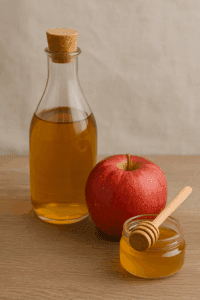
Apple cider vinegar (ACV) can help stimulate stomach acid production, which aids in better digestion and less fermentation in the gut. Mix 1 tablespoon with water before meals, but don’t overdo it.

Medical News Today: Apple Cider Vinegar for Bloating


9. Take a Probiotic Supplement

Imbalanced gut flora is a major cause of chronic bloating. Adding a high-quality probiotic can improve your gut health and provide lasting relief. Look for strains like Lactobacillus and Bifidobacterium.


10. Practice Intermittent Fasting

Intermittent fasting gives your digestive system time to rest and reset. It reduces inflammation and allows the gut to clear out food buildup that causes bloating. It’s one of the best long-term natural remedies for bloating.

Read our guide on Intermittent Fasting for Beginners

Extra Tips to Support Digestion

Many people experience bloating after eating certain foods, especially those high in fermentable carbohydrates. Identifying personal food triggers through an elimination diet can significantly reduce symptoms. Stress and anxiety can also affect digestion, leading to bloating, cramping, and irregular bowel movements.

Practicing mindfulness and incorporating breathing exercises into your daily routine can support gut health. Certain herbal blends, such as chamomile and peppermint, offer relaxing effects that reduce gastrointestinal pressure. Fiber is crucial, but it’s important to introduce it gradually to prevent excessive gas production.

Physical activity, like walking after meals, helps stimulate digestion and move gas through the intestines. Some essential oils, like fennel or ginger oil, can be diluted and massaged onto the abdomen for relief. Keeping a food diary is a powerful tool to track which foods lead to bloating and help personalize your approach.

Hydrating consistently throughout the day helps flush excess sodium and prevent water retention. These lifestyle adjustments complement the natural remedies for bloating mentioned earlier and create a long-term solution to digestive discomfort.

Among all natural remedies for bloating, consistency and lifestyle balance remain the most effective long-term solutions.

Final Thoughts

Bloating can be uncomfortable, but it doesn’t have to control your life. These natural remedies for bloating are simple, safe, and effective when used consistently. From herbal teas to yoga, small changes can lead to major relief.

Remember to listen to your body, track what works for you, and avoid habits or foods that trigger bloating. And if symptoms persist, it’s always wise to consult a healthcare provider or registered dietitian.

You Might Also Be Interested In

If you found this article helpful, you may also want to explore related topics such as home remedies for gas and bloating, the best herbs for digestion, or what to do when you experience bloating after eating. Many readers also search for natural gas relief methods and foods that reduce bloating to improve their digestive health naturally. Understanding and applying these natural remedies for bloating can make a big difference in how you feel every day.

How to Lower Blood Pressure Naturally: 9 Proven Ways to Improve Heart Health

💓 How to Lower Blood Pressure Naturally

High blood pressure, also known as hypertension, affects over a billion people globally. Often called the “silent killer,” it can lead to heart disease, stroke, and kidney failure if left unmanaged. Thankfully, there are many science-backed lifestyle changes and natural remedies that can help. In this comprehensive guide, you’ll learn exactly how to lower blood pressure safely, effectively, and naturally. Understanding how to lower blood pressure is essential for long-term wellness and cardiovascular protection.

Whether you’ve just been diagnosed or want to prevent hypertension altogether, these tips are for you. Follow along to discover how to lower blood pressure using holistic methods. Adopting natural remedies for high blood pressure not only lowers your numbers but boosts your energy and mood too. This guide also includes a focus on foods to lower blood pressure, an essential element of daily self-care.

1. 🥗 Eat a Heart-Healthy Diet

One of the most effective ways to lower blood pressure is by changing your diet. Focus on foods rich in potassium, magnesium, and fiber while reducing sodium intake. Knowing how to lower blood pressure through diet gives you control over your health on a daily basis.

Include:

  • Leafy greens (spinach, kale)
  • Berries (blueberries, strawberries)
  • Bananas and avocados
  • Whole grains (quinoa, brown rice)
  • Fatty fish (salmon, mackerel)

Avoid: Processed foods, high-salt snacks, sugary drinks, and red meat.

Eating mindfully and choosing nutrient-dense foods helps regulate blood pressure and support heart function. It’s one of the easiest lifestyle changes for heart health and should not be underestimated. Incorporating foods to lower blood pressure into your routine can yield significant benefits over time.

Harvard Health on DASH Diet

2. 🚶 Get Regular Physical Activity

Engaging in daily physical activity strengthens the heart and improves blood flow, reducing strain on arteries. Aim for at least 30 minutes of moderate exercise five times a week. Exercise is one of the most trusted answers when asking how to lower blood pressure naturally.

  • Brisk walking
  • Cycling
  • Dancing
  • Swimming

Staying active reduces systolic and diastolic pressure and also improves mood and sleep. It’s a proven, sustainable strategy. If you’re serious about learning how to lower blood pressure naturally, get moving!

Physical activity also supports weight management, another critical component in reducing hypertension. Add lifestyle changes for heart health such as regular exercise to your weekly plan.

CDC: How Physical Activity Affects Blood Pressure

3. 🧂 Reduce Sodium Intake

Excess salt causes the body to retain water, increasing blood volume and pressure. The American Heart Association recommends no more than 1,500 mg of sodium per day. Cutting back on salt is a key element in the effort to learn how to lower blood pressure.

  • Read nutrition labels
  • Avoid canned soups, frozen meals, and fast food
  • Cook at home using herbs, spices, and lemon

Scientific Insight: Studies show that lowering salt intake reduces systolic blood pressure by 5 to 6 mmHg, improving cardiovascular health significantly. It’s a foundational part of natural remedies for high blood pressure and foods to lower blood pressure.

Study on Sodium and Blood Pressure

4. 🧘‍♀️ Manage Stress and Practice Relaxation

Chronic stress contributes to high blood pressure. Learn how to lower blood pressure through simple stress-relief techniques and give your body a chance to heal naturally.

  • Deep breathing exercises (4-7-8 method)
  • Yoga or Tai Chi
  • Meditation and mindfulness
  • Spending time in nature

Incorporating these habits not only helps reduce anxiety but also stabilizes your blood pressure levels. It’s an essential piece in understanding how to lower blood pressure effectively and holistically.

Mindful.org on Relaxation Techniques

5. 🚭 Quit Smoking and Limit Alcohol

Smoking hardens arteries and raises blood pressure immediately after each puff. Alcohol, in excess, increases hypertension risk and disrupts sleep. Learning how to lower blood pressure includes managing these risk behaviors.

  • Quit smoking with help from support groups or apps
  • Limit alcohol to 1 drink/day for women, 2 for men
  • Replace with herbal teas or mocktails when possible

Reducing or eliminating these habits can significantly support your journey toward heart health. They are critical lifestyle changes for heart health that reinforce how to lower blood pressure.

6. 🍵 Try Herbal Remedies

Several herbs have been studied for their effects on blood pressure. These are some of the most promising natural remedies for high blood pressure that also show how to lower blood pressure holistically:

  • Garlic: Improves vasodilation and circulation
  • Hibiscus tea: Naturally lowers systolic pressure and is rich in antioxidants
  • Olive leaf extract: Reduces arterial stiffness and enhances blood vessel function

Adding herbal supplements or teas to your daily routine offers a gentle, long-term path to improved cardiovascular health. Many of these are accessible, affordable, and scientifically backed. Use them alongside other strategies if you’re serious about how to lower blood pressure naturally. Incorporate them into a broader set of foods to lower blood pressure for more impact.

7. ⚖️ Maintain a Healthy Weight

Being overweight increases the workload on your heart. Losing just 5 to 10% of body weight can significantly lower blood pressure. If you’re overweight and wondering how to lower blood pressure, weight loss is one of the most impactful steps.

  • Track daily calorie intake
  • Eat slowly and avoid late-night snacking
  • Focus on whole, unprocessed foods

Lowering your weight improves insulin sensitivity, decreases inflammation, and enhances overall cardiovascular efficiency. This makes it a non-negotiable strategy in understanding how to lower blood pressure.

8. 🛌 Improve Sleep Quality

Poor sleep affects your heart and blood pressure. Adults should aim for 7–9 hours of restful sleep per night to reduce hypertension. One of the easiest ways to start learning how to lower blood pressure is simply by improving your sleep hygiene.

  • Stick to a consistent sleep schedule
  • Avoid screens and caffeine before bed
  • Use blackout curtains or white noise

Sleep is where your body restores and repairs. Poor-quality sleep can contribute to chronic stress and rising blood pressure levels, so make it a priority in your wellness plan. High-quality sleep complements foods to lower blood pressure for a full-body effect.

Sleep Foundation: Blood Pressure and Sleep

9. 🧺 Monitor Your Blood Pressure at Home

Tracking your blood pressure helps you understand what works and when to seek medical attention. Use a validated monitor and record readings at the same time daily. It’s a powerful tool when working on how to lower blood pressure.

Make it a habit to check your numbers weekly. Logging your results and adjusting your lifestyle based on trends is one of the smartest ways to lower blood pressure and stay accountable. Don’t forget to reflect on your lifestyle changes for heart health as you track your numbers.

American Heart Association: How to Measure BP

✅ Final Thoughts

Learning how to lower blood pressure doesn’t mean relying only on medication. By embracing these natural remedies, you support your heart and overall well-being. These lifestyle tips are practical, sustainable, and rooted in science.

From changing your diet and sleeping better to sipping hibiscus tea and meditating, small shifts make a big difference. Consistency is key. Make sure to check out our guide to Natural Remedies for Anxiety: 7 Holistic Ways to Calm Your Mind Naturally  for more natural tips.

If you’ve ever asked yourself how to lower blood pressure naturally and effectively—now you have the answers. It’s time to take action and build lasting habits that protect your heart and longevity.

Home Remedies for Coughing: Science-Backed Ways to Soothe Your Airways

Home Remedies for Coughing

Coughing is one of the most common symptoms during colds, flu, and seasonal allergies. While it’s a natural defense mechanism to clear the airways, persistent or dry coughs can be extremely irritating and affect sleep quality and daily comfort.

In this comprehensive guide, we’ll explore the most effective home remedies for coughing, backed by science, and easily available in every home. From medication for dry cough alternatives to homeopathic remedies for cough, these solutions offer relief without the side effects of over-the-counter meds.

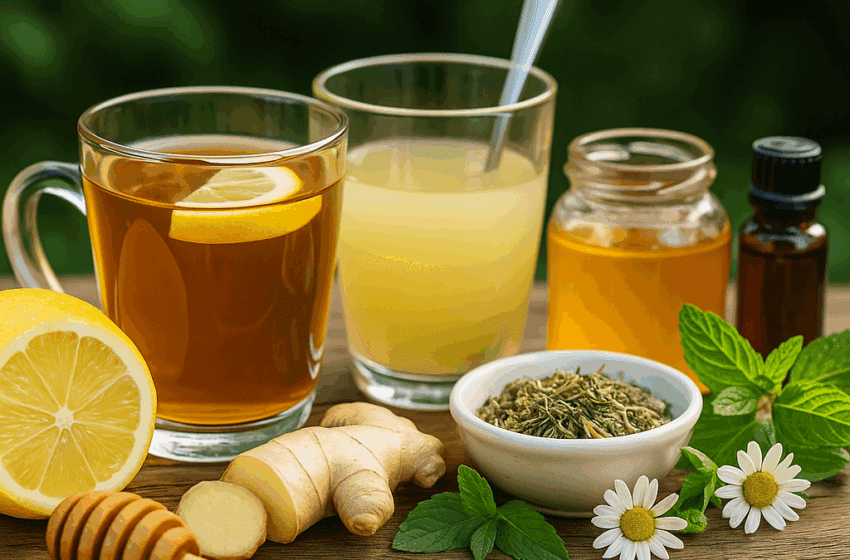
🍯 1. Raw Honey: The Golden Natural Cough Solution

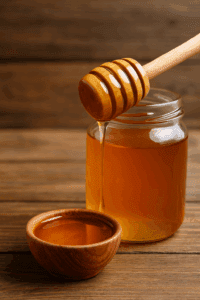
For centuries, raw honey has been widely recognized as one of the most trusted and potent home remedies for coughing. A study published in the Archives of Pediatrics & Adolescent Medicine found that honey was more effective than conventional cough meds in children.

  • How to use: Take a teaspoon of raw honey before bed.
  • Mix it with lemon juice to enhance its antibacterial power.

Q: Can honey be given to children?
❌ No. It is strongly advised not to give honey to infants below the age of 12 months, as it may carry spores that could lead to infant botulism.

🧪 Scientific Insight: Clinical trials show that honey reduces cough frequency and improves sleep quality, especially in nighttime dry cough cases.

📝 In addition to soothing the throat, honey provides antioxidants that support immune function. It pairs seamlessly with various herbal teas, offering a soothing experience that is both therapeutic and pleasant to the palate.

🌿 2. Ginger Tea: Anti-Inflammatory Dry Cough Remedy

Ginger contains bioactive compounds like gingerol and shogaol, known for their anti-inflammatory and bronchodilatory effects. These properties make it an excellent choice for those seeking dry cough remedies.

  • How to prepare: Simmer freshly sliced ginger root in hot water for approximately 10 minutes to extract its active compounds and soothing properties.
  • Enhance the taste and health benefits by adding honey and lemon juice.

Q: Is daily ginger tea safe?
✅ Yes, 2–3 cups a day are generally safe unless you have digestive sensitivity.

🧪 Scientific Insight: Research from Columbia University has indicated that ginger can ease airway narrowing and reduce inflammation.

📝 Ginger tea also warms the body and promotes relaxation. It can also support digestive health, which is indirectly beneficial because gastrointestinal discomfort may aggravate coughing.

💨 3. Steam Inhalation with Essential Oils

Inhaling steam is one of the oldest home remedies for coughing, especially for breaking down mucus and moistening dry airways.

  • How to use: Pour hot water into a bowl and add eucalyptus or peppermint essential oil. Cover your head with a towel and inhale for 5–10 minutes.

Q: Is steam safe for kids?
⚠️ Yes, but avoid essential oils for children under five and always supervise them.

🧪 Scientific Insight: Cineole, a component of eucalyptus oil, relaxes airway muscles and reduces inflammation.
📝 This method also enhances circulation and may speed recovery from respiratory infections.

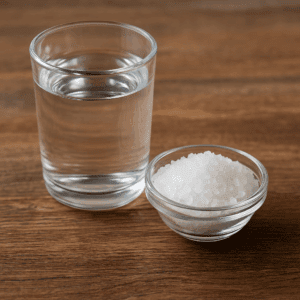
🧂 4. Saltwater Gargle

Saltwater gargling is among the simplest homeopathic remedies for cough caused by throat irritation or microbial infections.

  • How to use: Dissolve ½ tsp of salt in warm water. Gargle for 30 seconds and spit it out.

Q: How often?
✅ 2–3 times daily during active coughing.

🧪 Scientific Insight: Saltwater reduces inflammation and flushes out irritants and bacteria.

📝 It’s a safe, affordable, and effective remedy for sore throats and coughs.

🫖 5. Warm Fluids: Cough Solutions at Home

Warm fluids help keep the throat moist, reduce irritation, and support the respiratory tract. They’re an essential part of cough solutions at home.

  • Herbal teas: chamomile, thyme, mint
  • Warm chicken broth
  • Lemon water with honey

Q: Is plain warm water enough?
✅ Yes, but herbal infusions provide additional anti-inflammatory benefits.

🧪 Scientific Insight: Warm drinks can cut throat pain by up to 50%.

📝 Slowly sipping these fluids enhances absorption and throat comfort.

🧼 6. Optimize Indoor Environment

Dry air, dust, and pollutants can worsen a dry cough. Improving your environment can reduce triggers significantly.

  • Use a humidifier
  • Clean regularly
  • Avoid incense, smoke, perfumes

Q: Are humidifiers safe?
✅ Yes, if cleaned often to prevent mold.

🧪 Scientific Insight: Moist air soothes throat tissues and reduces irritation.
📝 Fresh air and a clean space contribute to better sleep and fewer coughing episodes.

🧠 Final Thoughts: Choosing the Right Meds for Dry Cough Naturally

While these home remedies for coughing are effective, seek medical attention if your cough lasts over two weeks or if you experience:

  • Breathing difficulty
  • High fever
  • Bloody mucus

📝 Note: These remedies are not a substitute for professional diagnosis or treatment.

📚 Scientific Sources:

  1. Mayo Clinic
  2. National Center for Complementary and Integrative Health (NIH)
  3. WebMD
  4. Healthline

🌿 Want More Natural Remedies?

If you enjoyed this guide, don’t miss our previous article:
👉 Top 6 Herbal Teas for Better Sleep and Mood – Backed by Science
Discover how specific herbal infusions like chamomile, lavender, and lemon balm can naturally support your emotional well-being and improve sleep quality — all backed by scientific research.

Top 6 Herbal Teas for Better Sleep and Mood – Backed by Science

Top 6 Herbal Teas for Better Sleep and Mood

✅ 1. Chamomile Tea

🌙 Why is it used for sleep?

Chamomile is one of the oldest medicinal herbs used in traditional healing. It contains a powerful antioxidant called “apigenin” that binds to specific receptors in the brain, promoting relaxation and better sleep.

🔬 What does the research say?

A 2015 study published in the Journal of Advanced Nursing found that postpartum women who drank chamomile tea for two weeks reported significantly improved sleep quality and reduced symptoms of depression.

☕ How to prepare it:

  • 1 tablespoon of dried chamomile flowers
  • Pour hot water and let steep for 5–7 minutes
  • Drink 30 minutes before bedtime

Chamomile tea has a gentle flavor and a calming aroma that soothes your senses from the first sip. Try adding a bit of raw honey to enhance its calming effect.



✅ 2. Lavender Tea

🌺 Psychological benefits:

Lavender is well-known for its ability to calm the nervous system and reduce stress. Its aroma alone can stimulate the brain to release feel-good chemicals like serotonin and dopamine.

🧪 Key study:

A study from Kagoshima University in Japan showed that inhaling lavender aroma while drinking the tea reduced blood pressure and heart rate, indicating a deep relaxation response.

💡 Note:

Avoid overuse during pregnancy, and reserve it for your nighttime routine.

Drinking lavender tea before bed is a full sensory experience. The soothing taste and therapeutic fragrance create the perfect mood for restful sleep.

✅ 3. Lemon Balm Tea

🍋 What is it?

Lemon balm (Melissa officinalis) is part of the mint family, with a refreshing hint of citrus in its taste.

🔍 Backed by science:

A 2011 study in the Mediterranean Journal of Nutrition and Metabolism found that lemon balm extract helps reduce mild insomnia and social anxiety.

⚠️ Safety:

Generally safe in moderate amounts. It may also help uplift your mood during periods of high stress.

Lemon balm has been used in folk medicine for centuries—not just for sleep but also to support mental clarity and nervous system health. Ideal for a relaxing evening drink.

✅ 4. Passionflower Tea

🌼 What is it?

Passionflower contains flavonoids and alkaloids that act as natural sedatives by calming brain activity.

📊 Clinical trial:

A 2011 randomized controlled trial showed that participants who drank passionflower tea for one week experienced deeper sleep and fewer disturbing dreams compared to a placebo group.

🕰 When to drink?

30–45 minutes before sleep for optimal results.

Passionflower tea is a top choice for those dealing with recurring insomnia or nighttime anxiety. It offers a mild taste and is easy to incorporate into your nightly ritual.

✅ 5. Peppermint Tea

😌 Why peppermint?

Peppermint not only aids digestion but also helps relax muscles and relieve tension headaches caused by stress.

🧠 Mental impact:

Menthol, the key compound in peppermint, is thought to activate GABA receptors in the brain—the same ones targeted by anti-anxiety medications.

Often enjoyed after meals, peppermint tea also works well as an evening drink to ease the body and calm the mind.

✅ 6. Ashwagandha Root Tea

💪 More than a sedative:

Ashwagandha is used in Ayurvedic medicine as an “adaptogen,” meaning it helps the body adapt to stress and lowers cortisol levels naturally.

🔬 Scientific evidence:

A study in the Indian Journal of Psychological Medicine found that taking Ashwagandha for 60 days led to a 44% reduction in stress levels.

Ashwagandha tea has a warm, earthy flavor and is best consumed in the evening to quiet the mind and support uninterrupted sleep.

📝 Tips Before Using Herbal Teas:

  • Avoid mixing more than two herbs in one cup.
  • Consult a doctor if you’re on medication or have chronic health conditions.
  • Always use organic, trusted herbal sources.
  • Make herbal tea part of a consistent bedtime routine.

Harmony between nature and your body begins with a warm, mindful cup of herbal tea. Take time for yourself, and feel the difference.

🔚 Final Thoughts:

If you’re looking for natural alternatives to improve sleep and mood without relying on pharmaceuticals, these six herbal teas offer safe, effective, and research-backed solutions. Choose the ones that resonate most with your needs—and start your journey toward deeper rest and emotional balance.

Exit mobile version