Natural Remedies for Hormonal Imbalance That Transform Your Energy and Mood

Natural Remedies for Hormonal Imbalance

Hormonal imbalance can disrupt nearly every aspect of life, from mood and energy to digestion and reproductive health. It affects both men and women, often going undetected until symptoms become severe. Fortunately, natural remedies for hormonal imbalance offer safe, effective ways to rebalance your body without resorting to synthetic treatments. These remedies support the endocrine system, restore hormonal harmony, and help you feel energized, focused, and emotionally balanced again.

1. Eat a Hormone-Balancing Diet

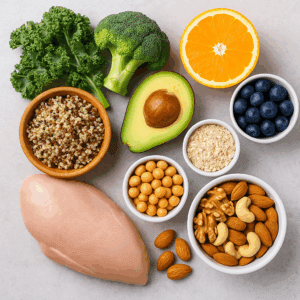
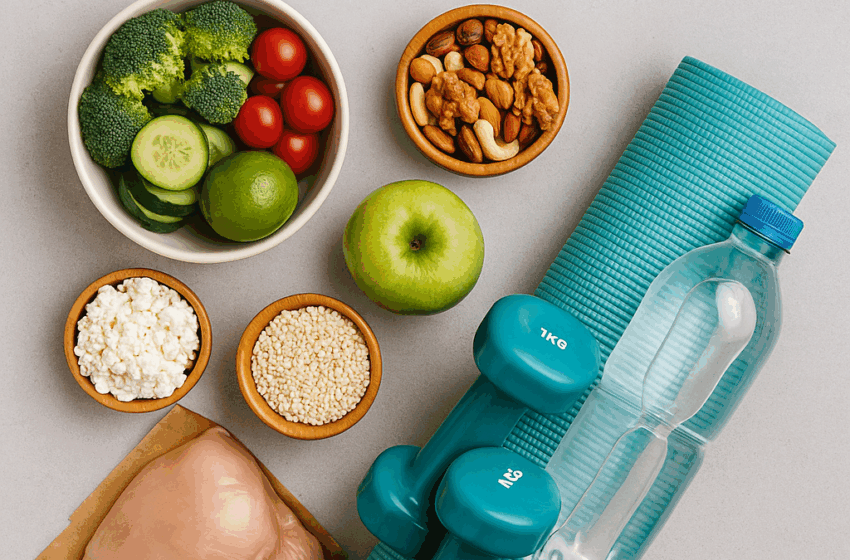
A key starting point for addressing hormonal issues is nutrition. One of the most effective natural remedies for hormonal imbalance is adopting a clean, hormone-supportive diet. Prioritize organic fruits and vegetables, healthy fats like avocado and olive oil, and high-quality protein sources. Cruciferous vegetables (like broccoli and kale) support estrogen detoxification, while omega-3 fatty acids reduce inflammation and support hormone production. Eliminate refined sugar, caffeine, alcohol, and processed foods that disrupt endocrine function. Eating at regular intervals and avoiding blood sugar spikes also helps maintain insulin and cortisol balance.

Try incorporating flaxseeds, chia seeds, and walnuts for added hormone-friendly omega-3s. A good starting guide on balancing hormones with food is Healthline’s natural hormone guide.

2. Support Liver Function for Detoxification

Your liver plays a critical role in breaking down excess hormones and toxins. When it’s overburdened, hormonal imbalances can worsen. Natural liver support is among the most vital natural remedies for hormonal imbalance. Include foods like dandelion greens, beets, and garlic, and drink plenty of water. Herbs such as milk thistle and burdock root promote detoxification. Reducing alcohol and environmental toxins helps lighten the liver’s load, allowing hormones to clear effectively. A healthy liver means a better-regulated hormonal system and fewer symptoms such as bloating, acne, or fatigue.

Discover the connection between liver health and hormones in this comprehensive resource by Dr. Axe.

3. Balance Stress and Cortisol Naturally

Chronic stress is one of the leading causes of hormonal imbalance. Stress hormones like cortisol can interfere with progesterone, thyroid, and even insulin levels. Among the most impactful natural remedies for hormonal imbalance are mindfulness practices such as meditation, deep breathing, yoga, and walking in nature. Adaptogenic herbs like ashwagandha, rhodiola, and holy basil help regulate the body’s stress response and support adrenal health. By calming your nervous system daily, you minimize hormonal disruptions and improve resilience over time.

For science-backed insight into how stress impacts hormones, read this NCBI study on stress and hormonal balance.

4. Optimize Sleep Hygiene

Sleep is crucial for hormonal repair and regulation. Poor sleep leads to imbalances in ghrelin, leptin, melatonin, and cortisol, impacting appetite, mood, and metabolism. Improving sleep quality is one of the simplest yet powerful natural remedies for hormonal imbalance. Create a calming bedtime routine, avoid blue light screens in the evening, and go to bed at the same time each night. Herbal teas like chamomile and valerian, along with magnesium supplements, can aid relaxation and support sleep. A restful night allows your endocrine system to reset and function optimally.

Learn more about sleep’s role in hormonal health from the Sleep Foundation.

5. Exercise Consistently but Gently

Physical activity boosts metabolism, regulates insulin, and promotes the release of mood-stabilizing hormones like serotonin and dopamine. However, over-exercising can spike cortisol and exacerbate imbalances. One of the best natural remedies for hormonal imbalance is incorporating moderate, consistent exercise such as brisk walking, pilates, yoga, or swimming. These movements support lymphatic flow, reduce inflammation, and nourish hormone production. Listen to your body—rest is just as important as movement.

6. Use Herbal Support to Restore Balance

Certain herbs have long been used to correct hormonal imbalances naturally. Chasteberry (Vitex) is known to regulate progesterone and improve menstrual cycles. Maca root supports adrenal and reproductive hormones, while black cohosh and dong quai relieve menopause symptoms. These natural remedies for hormonal imbalance can be taken as teas, capsules, or tinctures, depending on your needs. Always consult a professional to determine the correct dosage and combination, especially if you’re on other medications.

7. Avoid Endocrine Disruptors
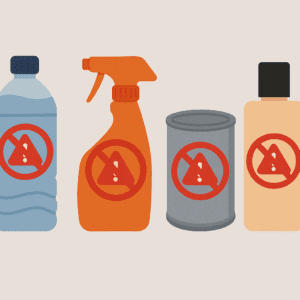
Exposure to chemicals that interfere with hormonal function is a major yet often overlooked cause of imbalance. These disruptors are found in plastics, personal care products, cleaning supplies, and pesticides. As part of your strategy for natural remedies for hormonal imbalance, switch to glass containers, use organic skincare and household products, and filter your water. Reducing your toxic load helps your body focus on restoring balance rather than defending against external threats.

8. Support Gut Health

The gut and hormones are intricately connected through the gut-hormone axis. A disrupted gut microbiome can hinder hormone metabolism, especially estrogen. Supporting gut health is one of the lesser-known but powerful natural remedies for hormonal imbalance. Eat prebiotic and probiotic-rich foods like yogurt, kefir, sauerkraut, and fiber-filled vegetables. Avoid antibiotics unless necessary, and consider adding a high-quality probiotic supplement. A healthy gut enhances nutrient absorption, detoxification, and hormonal communication across the body.

9. Track Your Cycle and Symptoms

Understanding your hormonal patterns helps identify root causes and effective interventions. Track your menstrual cycle, energy levels, mood, and symptoms daily. This awareness acts as a guide for which natural remedies for hormonal imbalance work best for your unique body. It can also help your healthcare provider make more informed recommendations. Apps and journals make cycle tracking accessible and empowering.

10. Final Thoughts

Hormonal balance is essential for physical, mental, and emotional health. With commitment and consistency, natural remedies for hormonal imbalance can bring noticeable improvements in energy, mood, sleep, and overall well-being. Start small, stay consistent, and trust your body’s ability to heal when supported by the right tools. Always consult a health professional when making significant changes to your wellness routine.

Explore more holistic solutions on our homepage, or dive deeper into related topics like Discover the Best Natural Remedies for Joint Pain and Inflammation.


Discover the Best Natural Remedies for Joint Pain and Inflammation

Natural Remedies for Joint Pain: Effective and Holistic Solutions

Joint pain affects millions of people worldwide and can result from aging, arthritis, injury, or inflammation. Instead of turning immediately to pharmaceuticals, many individuals are exploring natural remedies for joint pain that address the root causes without unwanted side effects. These remedies include dietary changes, herbs, exercises, and lifestyle modifications that support joint health holistically. In this article, we will explore various evidence-based and time-tested natural remedies for joint pain that can help improve mobility, reduce inflammation, and enhance quality of life.

1. Incorporate Anti-Inflammatory Foods into Your Diet

One of the most powerful natural remedies for joint pain is adopting an anti-inflammatory diet. Inflammation is a key contributor to joint discomfort and stiffness. By reducing foods that promote inflammation, such as sugar, processed foods, and trans fats, and focusing on nutrient-dense options, you support your body’s healing process. Foods like leafy greens, turmeric, berries, and fatty fish like salmon are rich in antioxidants and omega-3 fatty acids, which help combat inflammation. Including garlic, ginger, and green tea in your daily meals can further enhance the anti-inflammatory effect. Eating whole, unprocessed foods also helps maintain a healthy weight, reducing the pressure on your joints and lowering pain levels over time.

2. Try Herbal Remedies for Natural Relief

Several herbs have been traditionally used as natural remedies for joint pain. Turmeric contains curcumin, a compound with potent anti-inflammatory properties. Studies show that curcumin can be as effective as some anti-inflammatory drugs without the side effects. Boswellia, also known as Indian frankincense, is another powerful herb that can reduce joint swelling and pain. Willow bark, used for centuries, contains salicin, a natural pain reliever similar to aspirin. Additionally, stinging nettle and devil’s claw have shown promise in reducing symptoms of arthritis and joint discomfort. These herbs can be taken as supplements, teas, or incorporated into your meals, and when used consistently, they offer meaningful pain relief. Learn more about herbal remedies at the NIH Herbal Supplement Resource.

3. Maintain a Regular Exercise Routine

Though it might seem counterintuitive, staying active is one of the most effective natural remedies for joint pain. Regular low-impact exercises such as swimming, walking, or cycling help keep joints flexible and muscles strong. Exercise improves circulation, bringing essential nutrients to the joints while flushing out toxins that can contribute to pain. Yoga and tai chi are especially beneficial as they combine movement with mindfulness and stretching, improving both physical and mental well-being. Make sure to start slowly and choose movements that don’t stress the joints excessively. Consistency is key—building a routine tailored to your abilities can lead to long-term improvements in mobility and joint function. For more tips on managing body weight and posture, check our guide on how to lose lower belly pooch naturally.

4. Apply Hot and Cold Therapy

Hot and cold treatments are simple yet effective natural remedies for joint pain. Applying a warm compress or taking a warm bath can relax stiff joints and improve circulation. Heat increases blood flow, which helps to reduce joint stiffness and muscle spasms. On the other hand, cold packs can numb sharp pain and reduce inflammation by constricting blood vessels. Alternating between hot and cold therapy can be especially helpful for acute flare-ups of pain. This method is often recommended by physiotherapists and can be easily done at home using hot water bottles, ice packs, or a warm towel. Just remember to avoid direct contact with skin and limit each session to 15–20 minutes.

5. Supplement with Essential Nutrients

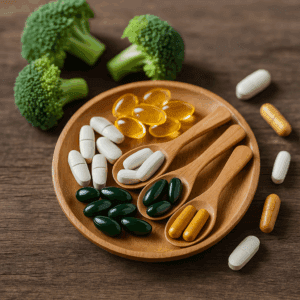
Joint health is closely tied to the presence of certain vitamins and minerals in the body. Natural remedies for joint pain often include supplementation with glucosamine and chondroitin, compounds that support cartilage repair and maintenance. Omega-3 fatty acids, commonly found in fish oil, are known to reduce inflammation and alleviate joint stiffness. Vitamin D plays a critical role in bone and joint health, and many people with chronic pain are deficient in it. Magnesium supports muscle function and nerve signaling, helping reduce muscle cramps and discomfort around the joints. Before starting any supplement regimen, it’s best to consult with a healthcare provider to ensure it aligns with your specific needs. Learn more from the Sleep Foundation on sleep and its role in healing.

6. Practice Mind-Body Techniques

Stress has a profound impact on physical health and can exacerbate joint pain. Practicing mind-body techniques like meditation, deep breathing, progressive muscle relaxation, and visualization can reduce stress and improve your pain threshold. These practices lower cortisol levels, which in turn may reduce inflammation and pain. Natural remedies for joint pain aren’t limited to physical interventions—emotional and mental well-being plays a major role in the perception of pain. By dedicating time daily to calming practices, you enhance your body’s ability to cope with chronic discomfort. Studies have shown that individuals who practice mindfulness and meditation experience greater pain relief compared to those who don’t.

7. Use Topical Natural Treatments

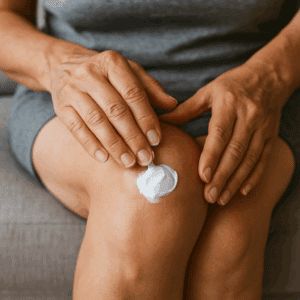
Topical applications are effective natural remedies for joint pain that provide localized relief. Capsaicin cream, made from chili peppers, can temporarily block pain signals when applied to the skin. Arnica gel, derived from the arnica plant, is widely used to reduce swelling, bruising, and joint discomfort. Essential oils like eucalyptus, peppermint, and lavender can be diluted with carrier oils and massaged into sore areas to provide soothing effects. Regular use of topical treatments can complement internal remedies and offer immediate comfort, especially during flare-ups. Be sure to patch-test any product before using it extensively, and always use high-quality natural ingredients for maximum benefit.

8. Stay Hydrated and Maintain a Healthy Weight

Hydration is crucial for maintaining joint health. Water keeps the joints lubricated and helps flush toxins from the body. Natural remedies for joint pain often emphasize the importance of drinking at least 8 glasses of water daily. Dehydrated joints are more prone to friction and stiffness. Maintaining a healthy weight is equally important, as excess body weight puts additional pressure on weight-bearing joints such as the knees, hips, and lower back. Even a small reduction in body weight can lead to significant improvement in joint function and pain reduction. Incorporating a balanced diet and regular exercise can help achieve and maintain a healthy weight. For more tips, explore our homepage.

9. Get Enough Rest and Sleep

Rest and sleep are essential components of healing. During sleep, the body undergoes repair and recovery processes. Poor sleep can worsen inflammation and reduce your tolerance for pain. Developing a sleep routine, keeping your room dark and cool, and avoiding stimulants before bed can improve sleep quality. Natural remedies for joint pain should always include sleep hygiene practices. Using supportive pillows or mattresses can reduce pressure on joints, making sleep more restorative. If you struggle with sleep due to pain, try natural sleep aids like chamomile tea or magnesium supplements after consulting a doctor. Visit the Arthritis Foundation for more insights.

10. Final Thoughts

Living with joint pain can be challenging, but embracing natural remedies for joint pain offers a gentle and effective path to relief. These remedies work synergistically to improve overall health, reduce inflammation, and support long-term joint function. While results may take time, the benefits are long-lasting and promote total body wellness. Always consult with a healthcare professional before beginning any new regimen, and stay consistent in your efforts. Healing is a journey—and with the right tools, you can reclaim comfort and mobility, one step at a time.

Natural Remedies for Chronic Fatigue: Restore Your Energy Naturally

Natural Remedies for Chronic Fatigue

If you’re constantly feeling drained, unmotivated, or like no amount of rest is enough, you might be experiencing chronic fatigue. Unlike occasional tiredness, chronic fatigue is persistent and can impact your productivity and quality of life. Fortunately, there are natural remedies for chronic fatigue that help you restore your vitality without relying on stimulants or pharmaceuticals. These remedies support your body holistically by addressing the root causes of fatigue, such as poor sleep, stress, nutritional deficiencies, and lifestyle habits.

1. Start with a Nutrient-Rich Diet

One of the most effective natural remedies for chronic fatigue is eating a diet rich in vitamins, minerals, and whole foods. Focus on leafy greens, whole grains, lean protein, and healthy fats to stabilize your energy levels. Avoid processed foods and added sugars, which can cause energy crashes. Staying hydrated is also essential. Drinking enough water daily helps your cells function properly, preventing fatigue triggered by dehydration. A nutrient-rich diet provides the building blocks your body needs to heal, regenerate, and maintain sustained energy levels.

2. Support Your Adrenals and Thyroid Naturally

Chronic fatigue can sometimes stem from adrenal fatigue or an underactive thyroid. To support these glands, incorporate adaptogenic herbs like ashwagandha, rhodiola, and holy basil—well-known natural remedies for chronic fatigue. These herbs help your body manage stress and regulate hormone levels. Foods rich in iodine (like seaweed), selenium (like Brazil nuts), and zinc can also promote thyroid health. If you suspect a thyroid imbalance, consult a healthcare provider to evaluate your hormone levels and determine a personalized natural support strategy.

3. Prioritize Quality Sleep

Sleep is crucial when tackling chronic fatigue. Natural sleep aids like magnesium, melatonin-rich foods (cherries, oats), and calming teas (chamomile or valerian root) are effective natural remedies for chronic fatigue. Avoid blue light from screens before bedtime and create a relaxing bedtime routine. Try to sleep and wake up at consistent times. Investing in sleep hygiene practices not only enhances physical recovery but also improves mental clarity and emotional resilience.

4. Gentle Exercise and Movement

While it may sound counterintuitive, gentle movement is a powerful remedy. Activities such as walking, stretching, or yoga stimulate circulation, boost endorphins, and improve energy. Incorporating light physical activity can reduce the intensity of fatigue over time, making it one of the most practical natural remedies for chronic fatigue. Start slowly and listen to your body—exercising too much can have the opposite effect.

5. Reduce Stress with Mindfulness Techniques

Chronic stress depletes energy and contributes significantly to fatigue. Practicing mindfulness, meditation, and deep breathing exercises help reset your nervous system. These are effective natural remedies for chronic fatigue that don’t cost anything. Journaling, spending time in nature, or taking tech-free breaks during the day also reduce cortisol levels. Over time, reduced stress helps the body conserve and restore its natural energy reserves.

6. Detox Your Environment

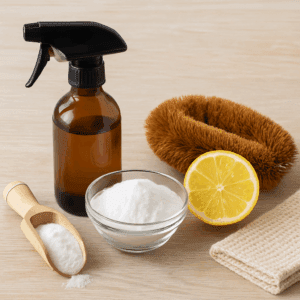
Environmental toxins such as heavy metals, mold, and chemical-laden cleaning products can silently sap your energy. Detoxifying your home by using natural cleaning products, investing in air purifiers, and reducing plastic use are supportive natural remedies for chronic fatigue. Additionally, consider natural detox practices like dry brushing, Epsom salt baths, and increasing fiber intake to aid your body’s detoxification systems.

7. Use Herbal and Natural Supplements

Many supplements support energy naturally. B-complex vitamins, vitamin D, magnesium, and iron are essential nutrients often deficient in those with chronic fatigue. Herbal natural remedies for chronic fatigue include ginseng, maca root, and licorice root. These herbs improve stamina, reduce stress, and enhance focus. Always consult a professional before starting any new supplements to ensure they’re right for your needs.

8. Establish a Balanced Routine

Having a balanced daily routine reduces decision fatigue and helps your body fall into a natural rhythm. Try to wake up, eat, and sleep at the same times each day. Include breaks for rest and reflection. Consistent routines are underrated natural remedies for chronic fatigue that can help you feel more grounded, focused, and energized.

9. Stay Connected and Supported

Isolation and loneliness can worsen fatigue. Maintaining social connections—even brief interactions—helps lift mood and prevent the emotional exhaustion that accompanies chronic fatigue. Sharing your journey with supportive friends or joining online communities can offer practical tips and emotional comfort. Social support is often overlooked as one of the key natural remedies for chronic fatigue that fosters emotional resilience.

10. Track Your Progress and Be Patient

Chronic fatigue doesn’t disappear overnight. Keep a journal to track your diet, sleep, activity, and symptoms. Celebrate small wins and stay patient. The journey to healing is gradual but worth the effort. Trust the process and commit to the natural remedies for chronic fatigue that work best for your body. Over time, your vitality will improve, and your daily life will feel more manageable.

Final Thoughts

Recovering from chronic fatigue takes time, patience, and a multifaceted approach. These natural remedies for chronic fatigue can guide you toward improved vitality and balance. By addressing your lifestyle, nutrition, emotional health, and surroundings, you empower your body to heal. Start with small, consistent changes and build your energy back one step at a time.

For more holistic tips, visit our homepage or explore specific topics such as how to lose lower belly pooch after pregnancy naturally.

External References

How to Lose Lower Belly Pooch After Pregnancy Naturally

How to Lose Lower Belly Pooch

After pregnancy, many women find themselves struggling with a stubborn lower belly pooch that doesn’t seem to go away. If you’re wondering how to lose lower belly pooch after pregnancy naturally, know that you’re not alone. This common concern can be addressed effectively with consistent effort, smart nutrition, proper exercise, and patience. It’s not just about aesthetics—reducing lower belly fat post-pregnancy can also improve your posture, boost confidence, and support your core health. In this guide, you’ll learn how to reclaim your body naturally and safely.

1. Understand the Cause of Lower Belly Pooch

To figure out how to lose lower belly pooch after pregnancy naturally, it’s essential to understand the underlying causes. During pregnancy, your abdominal muscles stretch to accommodate your growing baby. This can lead to a condition called diastasis recti—where the abdominal muscles remain separated after childbirth. Hormonal shifts and water retention also contribute to belly fat accumulation. Understanding these biological processes helps you take the right approach without frustration or unrealistic expectations. It’s crucial to address the root, not just the symptoms, of postpartum belly fat.

2. Focus on Nutrition and Whole Foods

One of the best natural methods for how to lose lower belly pooch after pregnancy naturally is to focus on clean eating. Whole foods like leafy greens, lean proteins, nuts, seeds, and healthy fats fuel your body while promoting fat loss. Avoid refined carbs and sugars that spike insulin and lead to fat storage. Staying hydrated also flushes toxins and aids digestion. Try building balanced meals that include high-fiber vegetables and protein to maintain satiety and avoid unnecessary snacking. Preparing meals at home helps control ingredients and supports consistency.

3. Try Postnatal-Safe Core Exercises

Core exercises are essential for strengthening your abdominal wall and supporting the back. Choose postnatal-safe moves like pelvic tilts, bird-dogs, glute bridges, and heel slides. These workouts are gentle yet powerful in toning your core without straining weakened muscles. As your strength improves, gradually introduce planks and other dynamic core moves. When done consistently, these exercises contribute to how to lose lower belly pooch after pregnancy naturally. Consulting a postpartum fitness expert can further ensure you are performing exercises safely and effectively.

4. Walk Daily and Incorporate Gentle Cardio

Walking is one of the easiest and most effective activities to jumpstart fat burning. It’s safe, low-impact, and can be done with your baby in a stroller. Gentle cardio, such as swimming or low-impact aerobics, also accelerates metabolism and promotes full-body fat loss. For how to lose lower belly pooch after pregnancy naturally, try to move your body for at least 30 minutes a day. Regular movement increases energy, reduces stress, and improves circulation—all of which contribute to faster recovery and fat loss.

5. Support Your Body with Sleep and Rest

It might sound impossible with a newborn, but adequate sleep is essential for fat loss. When you’re sleep-deprived, cortisol levels rise, making your body more likely to store fat, especially in the belly. Aim for restful sleep whenever possible and nap when your baby sleeps. Good sleep improves hormonal balance and appetite regulation. If you’re seeking how to lose lower belly pooch after pregnancy naturally, remember that rest is just as vital as diet and exercise. Use support systems—partner, family, or friends—to carve out rest time.

6. Breastfeed If Possible

Breastfeeding burns calories and helps the uterus return to its pre-pregnancy size, contributing to natural fat loss. For many women, this process supports how to lose lower belly pooch after pregnancy naturally by accelerating metabolism and hormonal balance. However, every body responds differently, and some may experience increased appetite. The key is to eat nutritious foods while listening to your hunger cues. Breastfeeding alone won’t eliminate belly fat, but it can support the journey when paired with other healthy practices.

7. Reduce Stress to Support Fat Loss

Stress triggers the release of cortisol, a hormone that encourages fat storage in the midsection. Incorporating calming activities such as meditation, journaling, yoga, or simply walking in nature helps reduce stress levels. New motherhood can be overwhelming, and managing stress is part of self-care. For anyone asking how to lose lower belly pooch after pregnancy naturally, stress management should be non-negotiable. Taking time for yourself, even in short intervals, benefits your emotional and physical health alike.

8. Stay Hydrated and Avoid Bloating

Drinking enough water daily helps reduce water retention and bloating. Herbal teas like ginger, fennel, and peppermint also support digestion and minimize inflammation. Avoid carbonated beverages and excess salt, which contribute to bloating and discomfort. If you’re researching how to lose lower belly pooch after pregnancy naturally, pay attention to hydration—it’s a simple yet often overlooked tool for slimming the belly and feeling lighter overall.

9. Be Patient and Consistent

Postpartum recovery and fat loss take time. Every body is different, and comparing yourself to others can lead to frustration. Celebrate small wins—like increased energy, better sleep, or improved mood. Track your progress through photos or measurements, not just the scale. Sustainable habits built gradually are the key to how to lose lower belly pooch after pregnancy naturally. Remember that your body has done something amazing, and treating it with kindness will produce better results than any crash diet ever could.

10. Consider Diastasis Recti Rehab if Needed

If your belly continues to protrude months after delivery, you may have diastasis recti. This condition requires specific rehabilitative exercises to close the abdominal gap. Working with a physical therapist or certified postpartum trainer can help. Rehab not only helps with how to lose lower belly pooch after pregnancy naturally, but also strengthens your core, reduces back pain, and improves posture. Addressing this issue early prevents complications and helps restore functional strength to your midsection.

Useful Resources:

Final Thoughts

Learning how to lose lower belly pooch after pregnancy naturally is a journey that combines movement, mindful nutrition, proper rest, and patience. Every step you take is progress. Be kind to yourself and embrace the process. Your post-baby body deserves love, care, and attention—and with time, it will transform in powerful ways. Trust your body and trust the process.

How to Get Rid of Love Handles Naturally: The Complete Guide

How to Get Rid of Love Handles Naturally

Many people struggle with stubborn fat around the waistline, commonly known as “love handles.” If you’re wondering how to get rid of love handles without extreme dieting or invasive procedures, you’re in the right place. This guide focuses on sustainable, natural methods that target love handles while improving your overall health. The key to losing love handles lies in consistency, patience, and the integration of various lifestyle changes that work together for maximum effect.

1. Understanding What Causes Love Handles

Love handles are primarily caused by excess fat accumulation due to poor diet, lack of physical activity, hormonal imbalances, and stress. Knowing the root causes is the first step in learning how to get rid of love handles. Factors like consuming refined carbs, excess sugar, and sitting for prolonged periods contribute significantly to their appearance. Additionally, genetic predisposition and age can also play a role, making it even more important to adopt healthy habits that address these factors. Body composition scans or measuring your waist-to-hip ratio can offer insight into fat storage and help you tailor your strategy.

2. The Importance of a Caloric Deficit

Creating a caloric deficit—burning more calories than you consume—is essential for overall fat loss. This principle applies when figuring out how to get rid of love handles effectively. Pairing this with whole, unprocessed foods helps burn fat efficiently without extreme calorie restrictions. Keep in mind that a moderate deficit is more sustainable and prevents muscle loss, which is crucial for maintaining a healthy metabolism during fat loss. Consider using apps to track your calorie intake and ensure you’re maintaining the right energy balance.

3. Best Exercises for Love Handles

Spot reduction is a myth, but some exercises for love handles strengthen core muscles and enhance fat burning. Include side planks, Russian twists, mountain climbers, and bicycle crunches in your routine. These workout moves for love handles help tone the oblique muscles while increasing your metabolism. Consistency is key—aim for at least 3–4 sessions per week, and don’t forget to combine them with full-body workouts for best results. Always focus on maintaining good form to maximize effectiveness and prevent injury.

4. The Role of Nutrition in Waist Fat

A balanced diet rich in lean protein, healthy fats, and fiber is crucial in learning how to get rid of love handles. Ditch refined carbs and sugary snacks. Instead, opt for leafy greens, legumes, whole grains, and healthy oils. These foods not only reduce inflammation but also keep you full longer. Eating mindfully and avoiding processed food can significantly accelerate fat loss and support overall digestive health. Include fermented foods like kimchi and kefir to support gut health, which has been linked to improved fat metabolism.

5. Stay Hydrated and Cut Sugary Drinks

Consuming water instead of sugary beverages is an easy way to reduce calorie intake. If you’re serious about how to get rid of love handles, limit sodas, sweetened teas, and fruit juices. Hydration supports metabolism and helps flush out toxins from your system. Drinking a glass of water before meals can also reduce appetite and promote portion control, which leads to gradual and sustainable fat loss. Add lemon or cucumber to your water for extra flavor and antioxidants without the sugar.

6. Incorporate HIIT Workouts

High-Intensity Interval Training (HIIT) is highly effective for fat loss. These workouts for love handles combine short bursts of intense activity with rest, maximizing calorie burn in a short period. HIIT also improves insulin sensitivity and heart health. A typical session can last just 20–30 minutes but deliver superior fat-burning results compared to steady-state cardio. Include compound exercises like burpees, squat jumps, and high knees. You can also incorporate resistance bands or weights to add intensity and variety.

7. Manage Stress Levels

Chronic stress increases cortisol levels, which promote fat storage in the abdominal region. Meditation, yoga, and deep breathing can be powerful tools if you’re working on how to get rid of love handles. Reducing stress helps control emotional eating and hormonal imbalances. Activities such as journaling, spending time in nature, or even hobbies can provide mental relief and help you stay focused on your wellness journey. Make time for yourself and avoid over-scheduling to keep stress in check.

8. Prioritize Sleep

Sleep deprivation disrupts hormones like ghrelin and leptin, which regulate hunger and fullness. Quality sleep (7–9 hours per night) is crucial for anyone researching how to get rid of love handles. Your body recovers and burns fat more efficiently during deep sleep cycles. Establish a regular sleep schedule, limit screen time before bed, and create a relaxing bedtime routine to enhance sleep quality. A dark, cool bedroom environment and avoiding caffeine in the evening can improve sleep hygiene significantly.

9. Reduce Bloating for a Slimmer Waist

While bloating isn’t fat, it makes love handles appear more pronounced. Incorporating natural remedies for bloating such as peppermint tea, ginger, and probiotic-rich foods can help you look and feel slimmer instantly. Reducing bloating improves digestion and enhances your midsection’s appearance, making your waistline look tighter and more toned. Avoid carbonated drinks and salty snacks that can exacerbate water retention and gas buildup.

10. Stay Consistent and Track Progress

Consistency is key. If you’re genuinely aiming at how to get rid of love handles, maintain a food journal, track workouts, and measure waist circumference weekly. Celebrate small victories to stay motivated in your journey. Use progress photos and non-scale victories like improved stamina and energy as indicators of success to keep pushing forward. Try using fitness trackers or mobile apps to monitor steps, sleep, and calorie burn for better results.

Final Thoughts

Learning how to get rid of love handles naturally is a combination of smart eating, effective workouts, and healthy lifestyle habits. Integrating exercises to lose love handles with mindful eating and stress management will gradually reduce waist fat and boost your confidence. Make your journey sustainable and enjoyable—your body will thank you for it. With persistence, education, and the right mindset, you can overcome love handles and feel better in your body every day. Keep setting small, achievable goals, and surround yourself with a supportive environment that encourages long-term wellness.

For more natural solutions to common body concerns, explore our article on How to Lose Belly Fat Naturally: 12 Proven Strategies Backed by Science for a Flat Stomach.

Exit mobile version