Natural Remedies for Joint Pain: Effective and Holistic Solutions
Joint pain affects millions of people worldwide and can result from aging, arthritis, injury, or inflammation. Instead of turning immediately to pharmaceuticals, many individuals are exploring natural remedies for joint pain that address the root causes without unwanted side effects. These remedies include dietary changes, herbs, exercises, and lifestyle modifications that support joint health holistically. In this article, we will explore various evidence-based and time-tested natural remedies for joint pain that can help improve mobility, reduce inflammation, and enhance quality of life.
1. Incorporate Anti-Inflammatory Foods into Your Diet
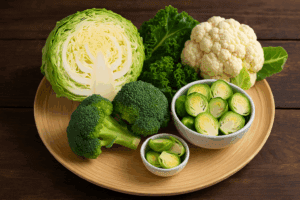
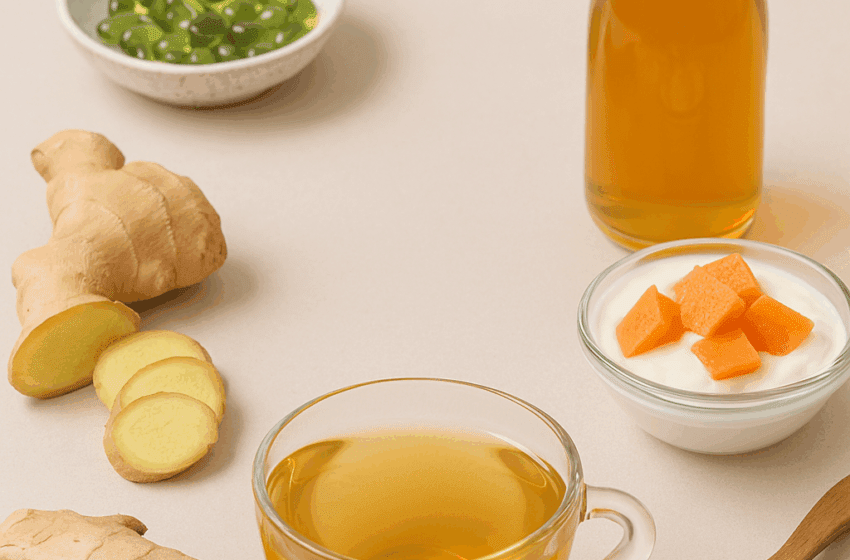
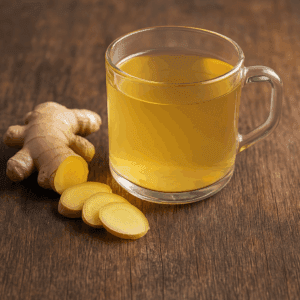
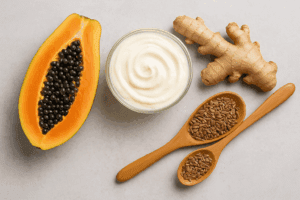
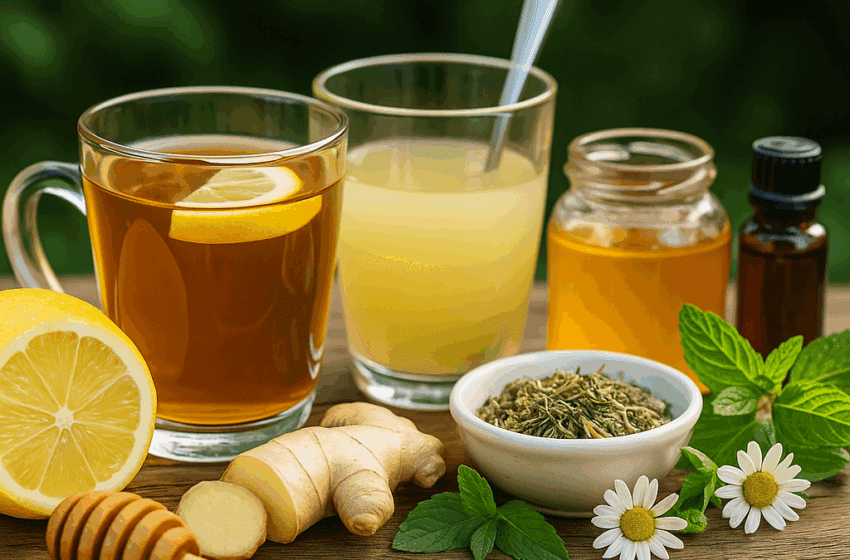
One of the most powerful natural remedies for joint pain is adopting an anti-inflammatory diet. Inflammation is a key contributor to joint discomfort and stiffness. By reducing foods that promote inflammation, such as sugar, processed foods, and trans fats, and focusing on nutrient-dense options, you support your body’s healing process. Foods like leafy greens, turmeric, berries, and fatty fish like salmon are rich in antioxidants and omega-3 fatty acids, which help combat inflammation. Including garlic, ginger, and green tea in your daily meals can further enhance the anti-inflammatory effect. Eating whole, unprocessed foods also helps maintain a healthy weight, reducing the pressure on your joints and lowering pain levels over time.
2. Try Herbal Remedies for Natural Relief
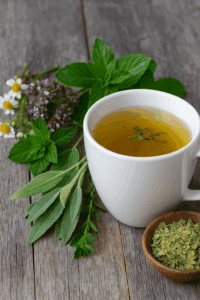
Several herbs have been traditionally used as natural remedies for joint pain. Turmeric contains curcumin, a compound with potent anti-inflammatory properties. Studies show that curcumin can be as effective as some anti-inflammatory drugs without the side effects. Boswellia, also known as Indian frankincense, is another powerful herb that can reduce joint swelling and pain. Willow bark, used for centuries, contains salicin, a natural pain reliever similar to aspirin. Additionally, stinging nettle and devil’s claw have shown promise in reducing symptoms of arthritis and joint discomfort. These herbs can be taken as supplements, teas, or incorporated into your meals, and when used consistently, they offer meaningful pain relief. Learn more about herbal remedies at the NIH Herbal Supplement Resource.
3. Maintain a Regular Exercise Routine


4. Apply Hot and Cold Therapy
Hot and cold treatments are simple yet effective natural remedies for joint pain. Applying a warm compress or taking a warm bath can relax stiff joints and improve circulation. Heat increases blood flow, which helps to reduce joint stiffness and muscle spasms. On the other hand, cold packs can numb sharp pain and reduce inflammation by constricting blood vessels. Alternating between hot and cold therapy can be especially helpful for acute flare-ups of pain. This method is often recommended by physiotherapists and can be easily done at home using hot water bottles, ice packs, or a warm towel. Just remember to avoid direct contact with skin and limit each session to 15–20 minutes.
5. Supplement with Essential Nutrients


6. Practice Mind-Body Techniques
Stress has a profound impact on physical health and can exacerbate joint pain. Practicing mind-body techniques like meditation, deep breathing, progressive muscle relaxation, and visualization can reduce stress and improve your pain threshold. These practices lower cortisol levels, which in turn may reduce inflammation and pain. Natural remedies for joint pain aren’t limited to physical interventions—emotional and mental well-being plays a major role in the perception of pain. By dedicating time daily to calming practices, you enhance your body’s ability to cope with chronic discomfort. Studies have shown that individuals who practice mindfulness and meditation experience greater pain relief compared to those who don’t.
7. Use Topical Natural Treatments

8. Stay Hydrated and Maintain a Healthy Weight
Hydration is crucial for maintaining joint health. Water keeps the joints lubricated and helps flush toxins from the body. Natural remedies for joint pain often emphasize the importance of drinking at least 8 glasses of water daily. Dehydrated joints are more prone to friction and stiffness. Maintaining a healthy weight is equally important, as excess body weight puts additional pressure on weight-bearing joints such as the knees, hips, and lower back. Even a small reduction in body weight can lead to significant improvement in joint function and pain reduction. Incorporating a balanced diet and regular exercise can help achieve and maintain a healthy weight. For more tips, explore our homepage.
9. Get Enough Rest and Sleep
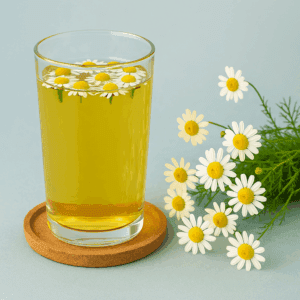
Rest and sleep are essential components of healing. During sleep, the body undergoes repair and recovery processes. Poor sleep can worsen inflammation and reduce your tolerance for pain. Developing a sleep routine, keeping your room dark and cool, and avoiding stimulants before bed can improve sleep quality. Natural remedies for joint pain should always include sleep hygiene practices. Using supportive pillows or mattresses can reduce pressure on joints, making sleep more restorative. If you struggle with sleep due to pain, try natural sleep aids like chamomile tea or magnesium supplements after consulting a doctor. Visit the Arthritis Foundation for more insights.
10. Final Thoughts
Living with joint pain can be challenging, but embracing natural remedies for joint pain offers a gentle and effective path to relief. These remedies work synergistically to improve overall health, reduce inflammation, and support long-term joint function. While results may take time, the benefits are long-lasting and promote total body wellness. Always consult with a healthcare professional before beginning any new regimen, and stay consistent in your efforts. Healing is a journey—and with the right tools, you can reclaim comfort and mobility, one step at a time.