

Home Remedies for Coughing
In this comprehensive guide, we’ll explore the most effective home remedies for coughing, backed by science, and easily available in every home. From medication for dry cough alternatives to homeopathic remedies for cough, these solutions offer relief without the side effects of over-the-counter meds.
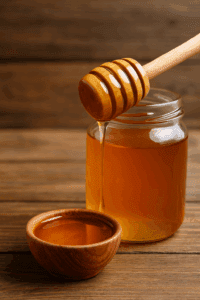

🍯 1. Raw Honey: The Golden Natural Cough Solution
For centuries, raw honey has been widely recognized as one of the most trusted and potent home remedies for coughing. A study published in the Archives of Pediatrics & Adolescent Medicine found that honey was more effective than conventional cough meds in children.
- How to use: Take a teaspoon of raw honey before bed.
- Mix it with lemon juice to enhance its antibacterial power.
Q: Can honey be given to children?
❌ No. It is strongly advised not to give honey to infants below the age of 12 months, as it may carry spores that could lead to infant botulism.
🧪 Scientific Insight: Clinical trials show that honey reduces cough frequency and improves sleep quality, especially in nighttime dry cough cases.
📝 In addition to soothing the throat, honey provides antioxidants that support immune function. It pairs seamlessly with various herbal teas, offering a soothing experience that is both therapeutic and pleasant to the palate.


🌿 2. Ginger Tea: Anti-Inflammatory Dry Cough Remedy
Ginger contains bioactive compounds like gingerol and shogaol, known for their anti-inflammatory and bronchodilatory effects. These properties make it an excellent choice for those seeking dry cough remedies.
- How to prepare: Simmer freshly sliced ginger root in hot water for approximately 10 minutes to extract its active compounds and soothing properties.
- Enhance the taste and health benefits by adding honey and lemon juice.
Q: Is daily ginger tea safe?
✅ Yes, 2–3 cups a day are generally safe unless you have digestive sensitivity.
🧪 Scientific Insight: Research from Columbia University has indicated that ginger can ease airway narrowing and reduce inflammation.
📝 Ginger tea also warms the body and promotes relaxation. It can also support digestive health, which is indirectly beneficial because gastrointestinal discomfort may aggravate coughing.
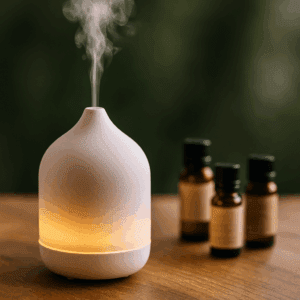

💨 3. Steam Inhalation with Essential Oils
Inhaling steam is one of the oldest home remedies for coughing, especially for breaking down mucus and moistening dry airways.
- How to use: Pour hot water into a bowl and add eucalyptus or peppermint essential oil. Cover your head with a towel and inhale for 5–10 minutes.
Q: Is steam safe for kids?
⚠️ Yes, but avoid essential oils for children under five and always supervise them.
🧪 Scientific Insight: Cineole, a component of eucalyptus oil, relaxes airway muscles and reduces inflammation.
📝 This method also enhances circulation and may speed recovery from respiratory infections.
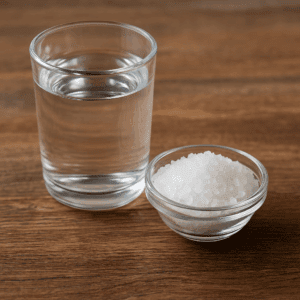
🧂 4. Saltwater Gargle
Saltwater gargling is among the simplest homeopathic remedies for cough caused by throat irritation or microbial infections.
- How to use: Dissolve ½ tsp of salt in warm water. Gargle for 30 seconds and spit it out.
Q: How often?
✅ 2–3 times daily during active coughing.
🧪 Scientific Insight: Saltwater reduces inflammation and flushes out irritants and bacteria.
📝 It’s a safe, affordable, and effective remedy for sore throats and coughs.
🫖 5. Warm Fluids: Cough Solutions at Home
Warm fluids help keep the throat moist, reduce irritation, and support the respiratory tract. They’re an essential part of cough solutions at home.
- Herbal teas: chamomile, thyme, mint
- Warm chicken broth
- Lemon water with honey
Q: Is plain warm water enough?
✅ Yes, but herbal infusions provide additional anti-inflammatory benefits.
🧪 Scientific Insight: Warm drinks can cut throat pain by up to 50%.
📝 Slowly sipping these fluids enhances absorption and throat comfort.
🧼 6. Optimize Indoor Environment
Dry air, dust, and pollutants can worsen a dry cough. Improving your environment can reduce triggers significantly.
- Use a humidifier
- Clean regularly
- Avoid incense, smoke, perfumes
Q: Are humidifiers safe?
✅ Yes, if cleaned often to prevent mold.
🧪 Scientific Insight: Moist air soothes throat tissues and reduces irritation.
📝 Fresh air and a clean space contribute to better sleep and fewer coughing episodes.
🧠 Final Thoughts: Choosing the Right Meds for Dry Cough Naturally
While these home remedies for coughing are effective, seek medical attention if your cough lasts over two weeks or if you experience:
- Breathing difficulty
- High fever
- Bloody mucus
📝 Note: These remedies are not a substitute for professional diagnosis or treatment.
📚 Scientific Sources:
🌿 Want More Natural Remedies?
If you enjoyed this guide, don’t miss our previous article:
👉 Top 6 Herbal Teas for Better Sleep and Mood – Backed by Science
Discover how specific herbal infusions like chamomile, lavender, and lemon balm can naturally support your emotional well-being and improve sleep quality — all backed by scientific research.