Introduction: Why Food Choice Matters in Weight Loss
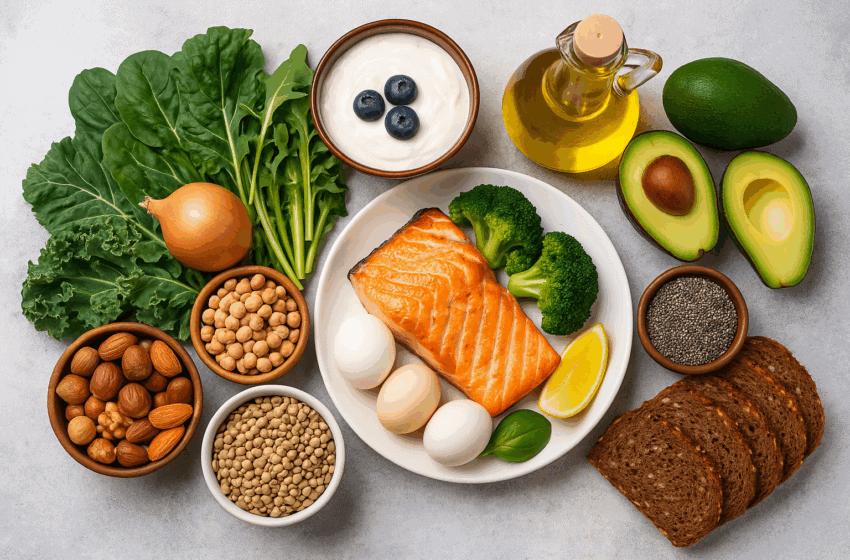
The journey to weight loss isn’t only about cutting calories or hitting the gym daily — it’s also about choosing the right foods. The best foods for weight loss are those that nourish your body, help control appetite, and keep you satisfied longer. These foods are not only low in calories but also rich in fiber, protein, healthy fats, and essential nutrients that support metabolism and hormonal balance. In this article, we’ll uncover 15 of the most effective foods to help you lose weight naturally and sustainably.
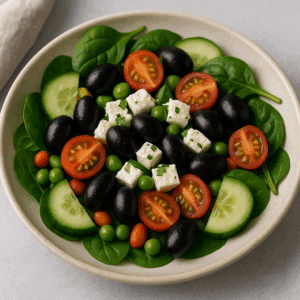
1. Leafy Greens – Low in Calories, High in Fiber
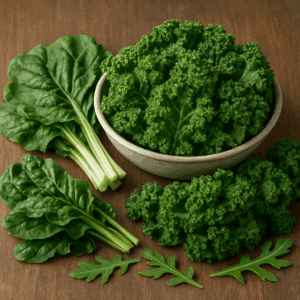
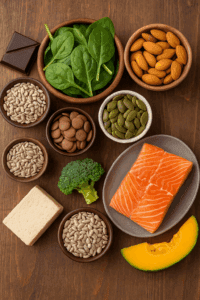
Leafy greens like spinach, kale, arugula, and collard greens are staples in most weight loss diets. They’re extremely low in calories but high in fiber and water content, which helps fill you up without overeating. The fiber in leafy greens also supports digestion and blood sugar control, which is vital during fat loss. You can enjoy them raw in salads, blended in smoothies, or sautéed with olive oil. Medical News Today: Benefits of Leafy Greens
Eggs are among the best foods for weight loss thanks to their high protein and healthy fat content. Research shows that consuming eggs for breakfast increases feelings of fullness and reduces calorie intake at subsequent meals. They’re also packed with essential nutrients like vitamin B12, choline, and selenium, which are often lacking in calorie-restricted diets.
3. Fatty Fish – Omega-3s and Fullness
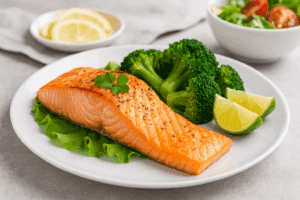
Fatty fish such as salmon, sardines, and mackerel are rich in high-quality protein and omega-3 fatty acids, which help fight inflammation and may support weight loss. Fish protein helps you feel satisfied for longer, reducing the chances of overeating. Aim for two servings per week for optimal benefits. Healthline: Salmon Benefits
4. Cruciferous Vegetables – High Volume, Nutrient-Dense
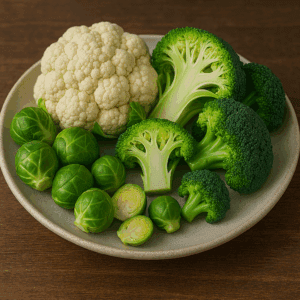
Vegetables like broccoli, cauliflower, cabbage, and Brussels sprouts are incredibly filling due to their high fiber and water content. They’re also rich in glucosinolates, which support detoxification. When steamed or roasted, they make a satisfying, low-calorie side dish that keeps your appetite in check while delivering vital nutrients.
5. Chicken Breast and Lean Meats – Metabolism Boosters
Lean meats such as skinless chicken breast and turkey are excellent sources of protein, which is crucial for maintaining muscle mass during weight loss. Protein also has a higher thermic effect than fats and carbs, meaning your body burns more calories digesting it. This makes lean meats one of the best foods for weight loss when portioned wisely.
6. Boiled Potatoes – Satiety Index Champion
Though often overlooked, boiled potatoes are incredibly filling and score the highest on the satiety index. When cooled, they form resistant starch, a type of fiber that promotes fat oxidation and gut health. Instead of avoiding carbs altogether, enjoy them in moderation as part of a balanced plate. PubMed Study on Satiety Index
7. Beans and Legumes – Fiber-Packed Fat Fighters
Beans, lentils, chickpeas, and black beans are loaded with plant-based protein and soluble fiber. These nutrients delay digestion and prevent blood sugar spikes, reducing hunger and supporting a calorie deficit. They’re budget-friendly, versatile, and easy to incorporate into soups, salads, or grain bowls.
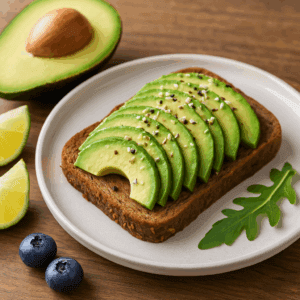
8. Avocados – Healthy Fats for Controlled Eating
Avocados are rich in monounsaturated fats, fiber, and potassium. Studies show that adding half an avocado to meals can reduce hunger and cravings. Although high in calories, their healthy fat content helps regulate hormones that control appetite, making them one of the best foods for weight loss when used in moderation.
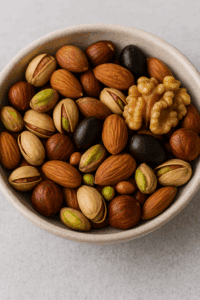
9. Nuts – Snack Smart and Stay Full
Nuts like almonds, walnuts, and pistachios provide protein, fiber, and healthy fats. Despite being calorie-dense, studies show that nut consumption is not linked to weight gain — in fact, it may support weight loss. Enjoy a handful as a snack or sprinkle them on yogurt and salads for crunch and nutrients. NCBI: Nuts and Weight Control
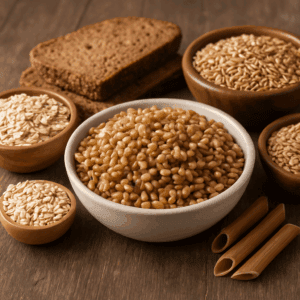
10. Whole Grains – Energy and Fiber Combo
Whole grains such as oats, brown rice, quinoa, and barley are full of complex carbs and fiber. They provide slow-releasing energy, help stabilize blood sugar, and improve digestion. Replacing refined carbs with whole grains can support weight management and reduce belly fat over time.
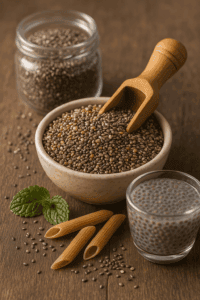
11. Chia Seeds – Expand in the Stomach for Satiety
Chia seeds are tiny but powerful. They absorb up to 10–12 times their weight in water, forming a gel-like substance in the stomach that promotes fullness. Rich in omega-3s and fiber, they support digestive health and can be added to smoothies, puddings, or oatmeal.
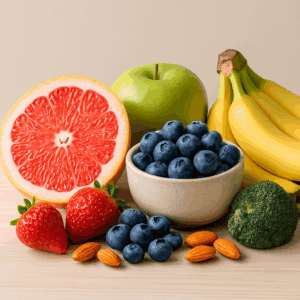
12. Fruits – Natural Sweetness with Benefits
Fruits like berries, apples, grapefruit, and oranges offer a sweet solution for those with a sweet tooth. Low in calories and high in fiber, they provide essential vitamins and antioxidants while helping you manage hunger and prevent sugar crashes.
13. Apple Cider Vinegar – Appetite Suppressant
ACV has been linked to reduced appetite and improved insulin sensitivity. Adding 1–2 tablespoons to a glass of water before meals may help reduce calorie intake. Just be cautious with your teeth and always dilute it. Medical News Today: Apple Cider Vinegar and Weight Loss
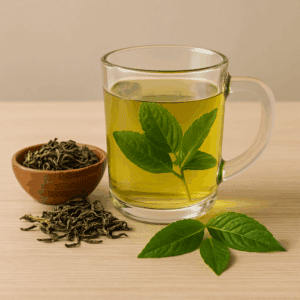
14. Green Tea – Boosts Metabolism and Fat Burning
Green tea contains catechins and a small dose of caffeine, both of which enhance fat burning and metabolic rate. Drinking green tea regularly can complement a weight loss plan, especially when combined with exercise. It’s also hydrating and full of antioxidants.
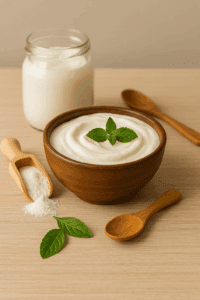
15. Greek Yogurt – Protein-Rich Probiotic Option
Greek yogurt provides double the protein of regular yogurt and contains probiotics for gut health. Consuming it as a snack or breakfast option helps manage appetite, build lean muscle, and support a healthy digestive system. Choose plain, unsweetened varieties for best results.
Lifestyle Tips to Maximize Food Impact
Drink at least 2 liters of water daily to enhance digestion and prevent false hunger
Plan meals in advance to avoid processed food temptations
Chew food slowly and mindfully to recognize satiety cues
Get enough sleep — lack of rest increases cravings
Combine these best foods for weight loss with regular physical activity
Final Thoughts: Making Smart, Sustainable Choices
True weight loss is not about extreme restrictions or short-term diets. You may also want to explore our guide on natural remedies for bloating to further support your weight loss journey. It’s about making smart, sustainable decisions every day. Incorporating these best foods for weight loss into your meals can transform how you feel, improve your energy levels, and help you achieve your health goals. Start with a few changes, stay consistent, and celebrate your progress along the way.
Bloating is a common and uncomfortable digestive issue that affects millions of people. Whether it’s caused by overeating, food intolerances, or poor digestion, it can leave you feeling sluggish and heavy. In this article, we’ll explore natural remedies for bloating that are backed by science and tradition, helping you reduce discomfort and restore balance to your gut.
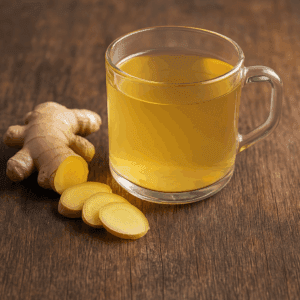
1. Drink Warm Ginger Tea
Ginger is a powerful digestive herb known for its anti-inflammatory and gas-relieving properties. Drinking a cup of warm ginger tea after meals can help stimulate digestion and relieve bloating. It works well for bloating after eating and helps with natural gas relief.
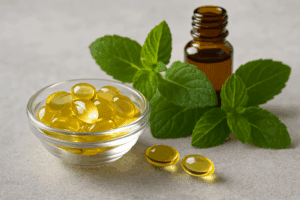
Peppermint oil has been shown in studies to relax intestinal muscles and ease digestive discomfort. It’s one of the most effective home remedies for gas and bloating. Try enteric-coated peppermint capsules before or after meals.
Fast eating causes you to swallow air, leading to more gas and bloating. Take your time while eating and chew your food thoroughly. This simple habit is one of the easiest natural remedies for bloating that anyone can adopt.
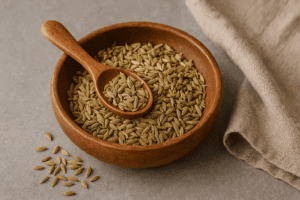
4. Add Fennel Seeds to Your Routine
Fennel seeds are widely used in Ayurvedic and Middle Eastern medicine as a natural carminative. Chewing a teaspoon of fennel seeds after a meal can reduce gas and bloating while supporting digestion.
Hydration is key to healthy digestion. Drinking warm water with lemon in the morning helps stimulate digestive enzymes and cleanse your system. It also helps reduce bloating after eating heavy meals.
6. Try Yoga Poses That Aid Digestion
Certain yoga poses like wind-relieving pose (Pawanmuktasana), child’s pose, and seated spinal twists can help release trapped gas. These gentle stretches are excellent natural remedies for bloating that also relieve stress.
Foods like beans, lentils, cabbage, onions, and carbonated drinks are known to increase gas. While healthy, they can trigger bloating in some people. Track your symptoms and reduce your intake of trigger foods for better results.
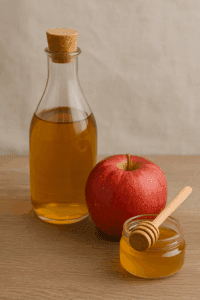
8. Use Apple Cider Vinegar Before Meals
Apple cider vinegar (ACV) can help stimulate stomach acid production, which aids in better digestion and less fermentation in the gut. Mix 1 tablespoon with water before meals, but don’t overdo it.
Imbalanced gut flora is a major cause of chronic bloating. Adding a high-quality probiotic can improve your gut health and provide lasting relief. Look for strains like Lactobacillus and Bifidobacterium.
10. Practice Intermittent Fasting
Intermittent fasting gives your digestive system time to rest and reset. It reduces inflammation and allows the gut to clear out food buildup that causes bloating. It’s one of the best long-term natural remedies for bloating.
Many people experience bloating after eating certain foods, especially those high in fermentable carbohydrates. Identifying personal food triggers through an elimination diet can significantly reduce symptoms. Stress and anxiety can also affect digestion, leading to bloating, cramping, and irregular bowel movements.
Practicing mindfulness and incorporating breathing exercises into your daily routine can support gut health. Certain herbal blends, such as chamomile and peppermint, offer relaxing effects that reduce gastrointestinal pressure. Fiber is crucial, but it’s important to introduce it gradually to prevent excessive gas production.
Physical activity, like walking after meals, helps stimulate digestion and move gas through the intestines. Some essential oils, like fennel or ginger oil, can be diluted and massaged onto the abdomen for relief. Keeping a food diary is a powerful tool to track which foods lead to bloating and help personalize your approach.
Hydrating consistently throughout the day helps flush excess sodium and prevent water retention. These lifestyle adjustments complement the natural remedies for bloating mentioned earlier and create a long-term solution to digestive discomfort.
Among all natural remedies for bloating, consistency and lifestyle balance remain the most effective long-term solutions.
Final Thoughts
Bloating can be uncomfortable, but it doesn’t have to control your life. These natural remedies for bloating are simple, safe, and effective when used consistently. From herbal teas to yoga, small changes can lead to major relief.
Remember to listen to your body, track what works for you, and avoid habits or foods that trigger bloating. And if symptoms persist, it’s always wise to consult a healthcare provider or registered dietitian.
You Might Also Be Interested In
If you found this article helpful, you may also want to explore related topics such as home remedies for gas and bloating, the best herbs for digestion, or what to do when you experience bloating after eating. Many readers also search for natural gas relief methods and foods that reduce bloating to improve their digestive health naturally. Understanding and applying these natural remedies for bloating can make a big difference in how you feel every day.
Headaches are one of the most common ailments affecting millions of people daily. Whether it’s a tension headache, migraine, or sinus-related discomfort, the pain can be debilitating. While over-the-counter medications offer temporary relief, many seek more sustainable, gentle solutions. That’s where home remedies for headaches come in.
In this comprehensive guide, we’ll explore over ten proven and natural home remedies for headaches that not only alleviate pain but also prevent future episodes. These remedies are backed by research and loved for their accessibility and effectiveness.
1. 🌿 Stay Hydrated
One of the most overlooked home remedies for headaches is proper hydration. Dehydration can trigger tension headaches and migraines. Drinking enough water throughout the day helps maintain fluid balance and reduce inflammation.
Tip: Infuse your water with lemon or cucumber to make it more enjoyable and increase electrolyte intake naturally.
Herbal teas are excellent natural headache relief solutions. Chamomile, peppermint, and ginger teas possess anti-inflammatory and soothing properties. They help ease muscle tension, calm the mind, and reduce the severity of headaches.
Not only do they hydrate you, but these teas also promote relaxation—a key factor in managing stress-related headaches.
Aromatherapy with essential oils like lavender, peppermint, and eucalyptus is one of the most effective home remedies for headaches. These oils reduce muscle tension, enhance circulation, and calm the nervous system.
How to use: Add a few drops to a diffuser or mix with a carrier oil and apply to temples, neck, or wrists.
4. ❄️ Apply Cold or Warm Compresses
A cold compress can reduce inflammation and numb sharp headache pain, while a warm compress may relax tense muscles in the neck and shoulders. Depending on the type of headache, both techniques serve as excellent home remedies for headaches.
Try applying a warm cloth to the back of your neck or a cold pack to your forehead for 10–15 minutes.
5. 🧘 Practice Deep Breathing and Meditation
Stress is a major trigger for headaches. Practicing meditation, mindfulness, and deep breathing exercises can greatly reduce stress hormones. These are essential components of tension headache home treatment.
Even just 5–10 minutes of daily meditation can bring noticeable improvements in frequency and intensity of headaches.
6. 🍽️ Eat Magnesium-Rich Foods
Magnesium deficiency is linked to migraine attacks. Including foods like spinach, almonds, pumpkin seeds, and dark chocolate in your diet can help prevent and relieve headaches naturally.
This makes nutrition a powerful tool among the top home remedies for headaches.
Inconsistent or poor-quality sleep often leads to chronic headaches. Creating a calming bedtime routine, maintaining a regular sleep schedule, and limiting screen time before bed are essential steps.
For many, improving sleep is one of the most effective home remedies for headaches.
8. 💆♀️ Try Gentle Head and Neck Massage
Massaging the temples, scalp, neck, and shoulders helps increase blood flow and reduce tension—key factors in natural headache relief.
You can use essential oils during massage for added relaxation and effectiveness.
Certain foods can trigger headaches in sensitive individuals. Common culprits include aged cheese, chocolate, caffeine, artificial sweeteners, and processed meats.
Identifying and eliminating these from your diet is a vital part of holistic home remedies for headaches.
10. 🌞 Get Natural Sunlight (But Not Too Much)
Exposure to natural light helps regulate your circadian rhythm and boost vitamin D, which can prevent certain headaches. However, avoid overexposure, as too much sunlight can cause or worsen migraines in some individuals.
Balancing light exposure is a simple but powerful method for maintaining well-being and preventing headaches.
Yoga combines physical postures, breathing techniques, and mindfulness. It improves blood circulation, reduces stress, and corrects posture—factors that all influence headache frequency.
Yoga is increasingly recognized among the top home remedies for headaches due to its whole-body healing approach.
12. 🌬️ Stay in a Well-Ventilated Environment
Poor air quality can trigger sinus headaches and migraines. Keeping your space ventilated, using air purifiers, or stepping outside for fresh air can help.
Many sufferers have found that simply improving air quality works as one of the fastest home remedies for headaches.
✅ Final Thoughts
Headaches can be exhausting, but they don’t have to control your life. By incorporating these home remedies for headaches into your daily routine, you can reduce their frequency, intensity, and impact—without depending solely on medication.
Everyone’s body is different, so experiment with different methods to find what works best for you. If headaches persist, consult a healthcare professional to rule out underlying conditions.
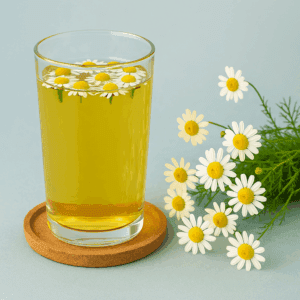
Chamomile is one of the oldest medicinal herbs used in traditional healing. It contains a powerful antioxidant called “apigenin” that binds to specific receptors in the brain, promoting relaxation and better sleep.
🔬 What does the research say?
A 2015 study published in the Journal of Advanced Nursing found that postpartum women who drank chamomile tea for two weeks reported significantly improved sleep quality and reduced symptoms of depression.
☕ How to prepare it:
1 tablespoon of dried chamomile flowers
Pour hot water and let steep for 5–7 minutes
Drink 30 minutes before bedtime
Chamomile tea has a gentle flavor and a calming aroma that soothes your senses from the first sip. Try adding a bit of raw honey to enhance its calming effect.
✅ 2. Lavender Tea
🌺 Psychological benefits:
Lavender is well-known for its ability to calm the nervous system and reduce stress. Its aroma alone can stimulate the brain to release feel-good chemicals like serotonin and dopamine.
🧪 Key study:
A study from Kagoshima University in Japan showed that inhaling lavender aroma while drinking the tea reduced blood pressure and heart rate, indicating a deep relaxation response.
💡 Note:
Avoid overuse during pregnancy, and reserve it for your nighttime routine.
Drinking lavender tea before bed is a full sensory experience. The soothing taste and therapeutic fragrance create the perfect mood for restful sleep.
✅ 3. Lemon Balm Tea
🍋 What is it?
Lemon balm (Melissa officinalis) is part of the mint family, with a refreshing hint of citrus in its taste.
🔍 Backed by science:
A 2011 study in the Mediterranean Journal of Nutrition and Metabolism found that lemon balm extract helps reduce mild insomnia and social anxiety.
⚠️ Safety:
Generally safe in moderate amounts. It may also help uplift your mood during periods of high stress.
Lemon balm has been used in folk medicine for centuries—not just for sleep but also to support mental clarity and nervous system health. Ideal for a relaxing evening drink.
✅ 4. Passionflower Tea
🌼 What is it?
Passionflower contains flavonoids and alkaloids that act as natural sedatives by calming brain activity.
📊 Clinical trial:
A 2011 randomized controlled trial showed that participants who drank passionflower tea for one week experienced deeper sleep and fewer disturbing dreams compared to a placebo group.
Passionflower tea is a top choice for those dealing with recurring insomnia or nighttime anxiety. It offers a mild taste and is easy to incorporate into your nightly ritual.
✅ 5. Peppermint Tea
😌 Why peppermint?
Peppermint not only aids digestion but also helps relax muscles and relieve tension headaches caused by stress.
🧠 Mental impact:
Menthol, the key compound in peppermint, is thought to activate GABA receptors in the brain—the same ones targeted by anti-anxiety medications.
Often enjoyed after meals, peppermint tea also works well as an evening drink to ease the body and calm the mind.
✅ 6. Ashwagandha Root Tea
💪 More than a sedative:
Ashwagandha is used in Ayurvedic medicine as an “adaptogen,” meaning it helps the body adapt to stress and lowers cortisol levels naturally.
🔬 Scientific evidence:
A study in the Indian Journal of Psychological Medicine found that taking Ashwagandha for 60 days led to a 44% reduction in stress levels.
Ashwagandha tea has a warm, earthy flavor and is best consumed in the evening to quiet the mind and support uninterrupted sleep.
📝 Tips Before Using Herbal Teas:
Avoid mixing more than two herbs in one cup.
Consult a doctor if you’re on medication or have chronic health conditions.
Always use organic, trusted herbal sources.
Make herbal tea part of a consistent bedtime routine.
Harmony between nature and your body begins with a warm, mindful cup of herbal tea. Take time for yourself, and feel the difference.
🔚 Final Thoughts:
If you’re looking for natural alternatives to improve sleep and mood without relying on pharmaceuticals, thesesix herbal teas offer safe, effective, and research-backed solutions. Choose the ones that resonate most with your needs—and start your journey toward deeper rest and emotional balance.