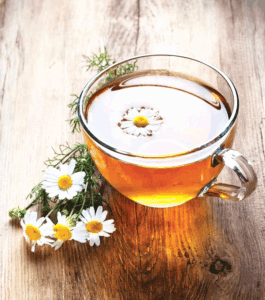
How to Lower Blood Pressure Naturally: 9 Proven Ways to Improve Heart Health

💓 How to Lower Blood Pressure Naturally

High blood pressure, also known as hypertension, affects over a billion people globally. Often called the “silent killer,” it can lead to heart disease, stroke, and kidney failure if left unmanaged. Thankfully, there are many science-backed lifestyle changes and natural remedies that can help. In this comprehensive guide, you’ll learn exactly how to lower blood pressure safely, effectively, and naturally. Understanding how to lower blood pressure is essential for long-term wellness and cardiovascular protection.

Whether you’ve just been diagnosed or want to prevent hypertension altogether, these tips are for you. Follow along to discover how to lower blood pressure using holistic methods. Adopting natural remedies for high blood pressure not only lowers your numbers but boosts your energy and mood too. This guide also includes a focus on foods to lower blood pressure, an essential element of daily self-care.

1. 🥗 Eat a Heart-Healthy Diet

One of the most effective ways to lower blood pressure is by changing your diet. Focus on foods rich in potassium, magnesium, and fiber while reducing sodium intake. Knowing how to lower blood pressure through diet gives you control over your health on a daily basis.

Include:

  • Leafy greens (spinach, kale)
  • Berries (blueberries, strawberries)
  • Bananas and avocados
  • Whole grains (quinoa, brown rice)
  • Fatty fish (salmon, mackerel)

Avoid: Processed foods, high-salt snacks, sugary drinks, and red meat.

Eating mindfully and choosing nutrient-dense foods helps regulate blood pressure and support heart function. It’s one of the easiest lifestyle changes for heart health and should not be underestimated. Incorporating foods to lower blood pressure into your routine can yield significant benefits over time.

Harvard Health on DASH Diet

2. 🚶 Get Regular Physical Activity

Engaging in daily physical activity strengthens the heart and improves blood flow, reducing strain on arteries. Aim for at least 30 minutes of moderate exercise five times a week. Exercise is one of the most trusted answers when asking how to lower blood pressure naturally.

  • Brisk walking
  • Cycling
  • Dancing
  • Swimming

Staying active reduces systolic and diastolic pressure and also improves mood and sleep. It’s a proven, sustainable strategy. If you’re serious about learning how to lower blood pressure naturally, get moving!

Physical activity also supports weight management, another critical component in reducing hypertension. Add lifestyle changes for heart health such as regular exercise to your weekly plan.

CDC: How Physical Activity Affects Blood Pressure

3. 🧂 Reduce Sodium Intake

Excess salt causes the body to retain water, increasing blood volume and pressure. The American Heart Association recommends no more than 1,500 mg of sodium per day. Cutting back on salt is a key element in the effort to learn how to lower blood pressure.

  • Read nutrition labels
  • Avoid canned soups, frozen meals, and fast food
  • Cook at home using herbs, spices, and lemon

Scientific Insight: Studies show that lowering salt intake reduces systolic blood pressure by 5 to 6 mmHg, improving cardiovascular health significantly. It’s a foundational part of natural remedies for high blood pressure and foods to lower blood pressure.

Study on Sodium and Blood Pressure

4. 🧘‍♀️ Manage Stress and Practice Relaxation

Chronic stress contributes to high blood pressure. Learn how to lower blood pressure through simple stress-relief techniques and give your body a chance to heal naturally.

  • Deep breathing exercises (4-7-8 method)
  • Yoga or Tai Chi
  • Meditation and mindfulness
  • Spending time in nature

Incorporating these habits not only helps reduce anxiety but also stabilizes your blood pressure levels. It’s an essential piece in understanding how to lower blood pressure effectively and holistically.

Mindful.org on Relaxation Techniques

5. 🚭 Quit Smoking and Limit Alcohol

Smoking hardens arteries and raises blood pressure immediately after each puff. Alcohol, in excess, increases hypertension risk and disrupts sleep. Learning how to lower blood pressure includes managing these risk behaviors.

  • Quit smoking with help from support groups or apps
  • Limit alcohol to 1 drink/day for women, 2 for men
  • Replace with herbal teas or mocktails when possible

Reducing or eliminating these habits can significantly support your journey toward heart health. They are critical lifestyle changes for heart health that reinforce how to lower blood pressure.

6. 🍵 Try Herbal Remedies
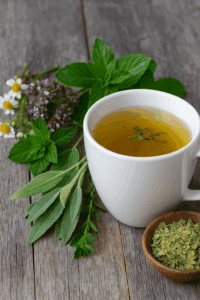
Several herbs have been studied for their effects on blood pressure. These are some of the most promising natural remedies for high blood pressure that also show how to lower blood pressure holistically:

  • Garlic: Improves vasodilation and circulation
  • Hibiscus tea: Naturally lowers systolic pressure and is rich in antioxidants
  • Olive leaf extract: Reduces arterial stiffness and enhances blood vessel function

Adding herbal supplements or teas to your daily routine offers a gentle, long-term path to improved cardiovascular health. Many of these are accessible, affordable, and scientifically backed. Use them alongside other strategies if you’re serious about how to lower blood pressure naturally. Incorporate them into a broader set of foods to lower blood pressure for more impact.

7. ⚖️ Maintain a Healthy Weight

Being overweight increases the workload on your heart. Losing just 5 to 10% of body weight can significantly lower blood pressure. If you’re overweight and wondering how to lower blood pressure, weight loss is one of the most impactful steps.

  • Track daily calorie intake
  • Eat slowly and avoid late-night snacking
  • Focus on whole, unprocessed foods

Lowering your weight improves insulin sensitivity, decreases inflammation, and enhances overall cardiovascular efficiency. This makes it a non-negotiable strategy in understanding how to lower blood pressure.

8. 🛌 Improve Sleep Quality

Poor sleep affects your heart and blood pressure. Adults should aim for 7–9 hours of restful sleep per night to reduce hypertension. One of the easiest ways to start learning how to lower blood pressure is simply by improving your sleep hygiene.

  • Stick to a consistent sleep schedule
  • Avoid screens and caffeine before bed
  • Use blackout curtains or white noise

Sleep is where your body restores and repairs. Poor-quality sleep can contribute to chronic stress and rising blood pressure levels, so make it a priority in your wellness plan. High-quality sleep complements foods to lower blood pressure for a full-body effect.

Sleep Foundation: Blood Pressure and Sleep

9. 🧺 Monitor Your Blood Pressure at Home
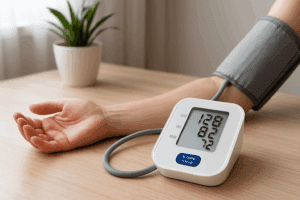
Tracking your blood pressure helps you understand what works and when to seek medical attention. Use a validated monitor and record readings at the same time daily. It’s a powerful tool when working on how to lower blood pressure.

Make it a habit to check your numbers weekly. Logging your results and adjusting your lifestyle based on trends is one of the smartest ways to lower blood pressure and stay accountable. Don’t forget to reflect on your lifestyle changes for heart health as you track your numbers.

American Heart Association: How to Measure BP

✅ Final Thoughts

Learning how to lower blood pressure doesn’t mean relying only on medication. By embracing these natural remedies, you support your heart and overall well-being. These lifestyle tips are practical, sustainable, and rooted in science.

From changing your diet and sleeping better to sipping hibiscus tea and meditating, small shifts make a big difference. Consistency is key. Make sure to check out our guide to Natural Remedies for Anxiety: 7 Holistic Ways to Calm Your Mind Naturally  for more natural tips.

If you’ve ever asked yourself how to lower blood pressure naturally and effectively—now you have the answers. It’s time to take action and build lasting habits that protect your heart and longevity.
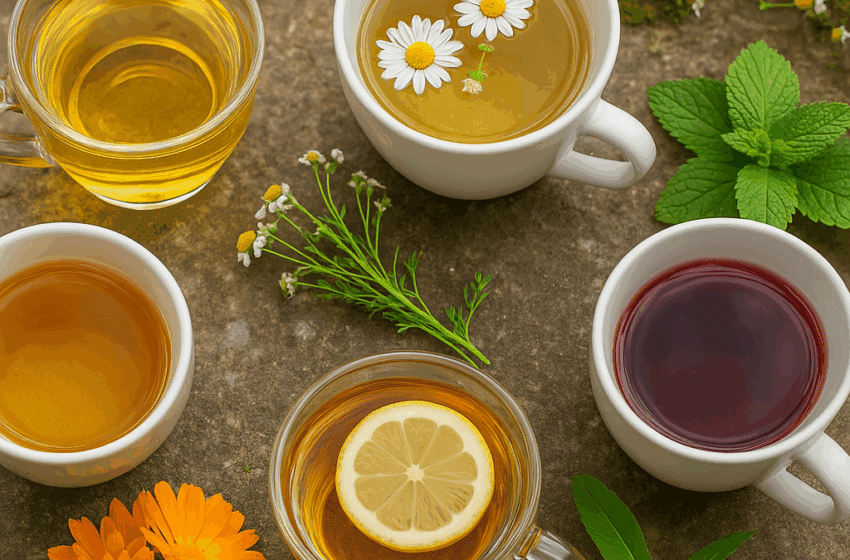
Top 6 Herbal Teas for Better Sleep and Mood – Backed by Science

Top 6 Herbal Teas for Better Sleep and Mood

✅ 1. Chamomile Tea

🌙 Why is it used for sleep?

Chamomile is one of the oldest medicinal herbs used in traditional healing. It contains a powerful antioxidant called “apigenin” that binds to specific receptors in the brain, promoting relaxation and better sleep.

🔬 What does the research say?

A 2015 study published in the Journal of Advanced Nursing found that postpartum women who drank chamomile tea for two weeks reported significantly improved sleep quality and reduced symptoms of depression.

☕ How to prepare it:

  • 1 tablespoon of dried chamomile flowers
  • Pour hot water and let steep for 5–7 minutes
  • Drink 30 minutes before bedtime

Chamomile tea has a gentle flavor and a calming aroma that soothes your senses from the first sip. Try adding a bit of raw honey to enhance its calming effect.


✅ 2. Lavender Tea

🌺 Psychological benefits:

Lavender is well-known for its ability to calm the nervous system and reduce stress. Its aroma alone can stimulate the brain to release feel-good chemicals like serotonin and dopamine.

🧪 Key study:

A study from Kagoshima University in Japan showed that inhaling lavender aroma while drinking the tea reduced blood pressure and heart rate, indicating a deep relaxation response.

💡 Note:

Avoid overuse during pregnancy, and reserve it for your nighttime routine.

Drinking lavender tea before bed is a full sensory experience. The soothing taste and therapeutic fragrance create the perfect mood for restful sleep.

✅ 3. Lemon Balm Tea

🍋 What is it?

Lemon balm (Melissa officinalis) is part of the mint family, with a refreshing hint of citrus in its taste.

🔍 Backed by science:

A 2011 study in the Mediterranean Journal of Nutrition and Metabolism found that lemon balm extract helps reduce mild insomnia and social anxiety.

⚠️ Safety:

Generally safe in moderate amounts. It may also help uplift your mood during periods of high stress.

Lemon balm has been used in folk medicine for centuries—not just for sleep but also to support mental clarity and nervous system health. Ideal for a relaxing evening drink.

✅ 4. Passionflower Tea

🌼 What is it?

Passionflower contains flavonoids and alkaloids that act as natural sedatives by calming brain activity.

📊 Clinical trial:

A 2011 randomized controlled trial showed that participants who drank passionflower tea for one week experienced deeper sleep and fewer disturbing dreams compared to a placebo group.

🕰 When to drink?

30–45 minutes before sleep for optimal results.

Passionflower tea is a top choice for those dealing with recurring insomnia or nighttime anxiety. It offers a mild taste and is easy to incorporate into your nightly ritual.

✅ 5. Peppermint Tea

😌 Why peppermint?

Peppermint not only aids digestion but also helps relax muscles and relieve tension headaches caused by stress.

🧠 Mental impact:

Menthol, the key compound in peppermint, is thought to activate GABA receptors in the brain—the same ones targeted by anti-anxiety medications.

Often enjoyed after meals, peppermint tea also works well as an evening drink to ease the body and calm the mind.

✅ 6. Ashwagandha Root Tea

💪 More than a sedative:

Ashwagandha is used in Ayurvedic medicine as an “adaptogen,” meaning it helps the body adapt to stress and lowers cortisol levels naturally.

🔬 Scientific evidence:

A study in the Indian Journal of Psychological Medicine found that taking Ashwagandha for 60 days led to a 44% reduction in stress levels.

Ashwagandha tea has a warm, earthy flavor and is best consumed in the evening to quiet the mind and support uninterrupted sleep.

📝 Tips Before Using Herbal Teas:

  • Avoid mixing more than two herbs in one cup.
  • Consult a doctor if you’re on medication or have chronic health conditions.
  • Always use organic, trusted herbal sources.
  • Make herbal tea part of a consistent bedtime routine.

Harmony between nature and your body begins with a warm, mindful cup of herbal tea. Take time for yourself, and feel the difference.

🔚 Final Thoughts:

If you’re looking for natural alternatives to improve sleep and mood without relying on pharmaceuticals, these six herbal teas offer safe, effective, and research-backed solutions. Choose the ones that resonate most with your needs—and start your journey toward deeper rest and emotional balance.

Exit mobile version